Waterproof UV-Resistant Tarp Canopy: Shade & Rain Cover
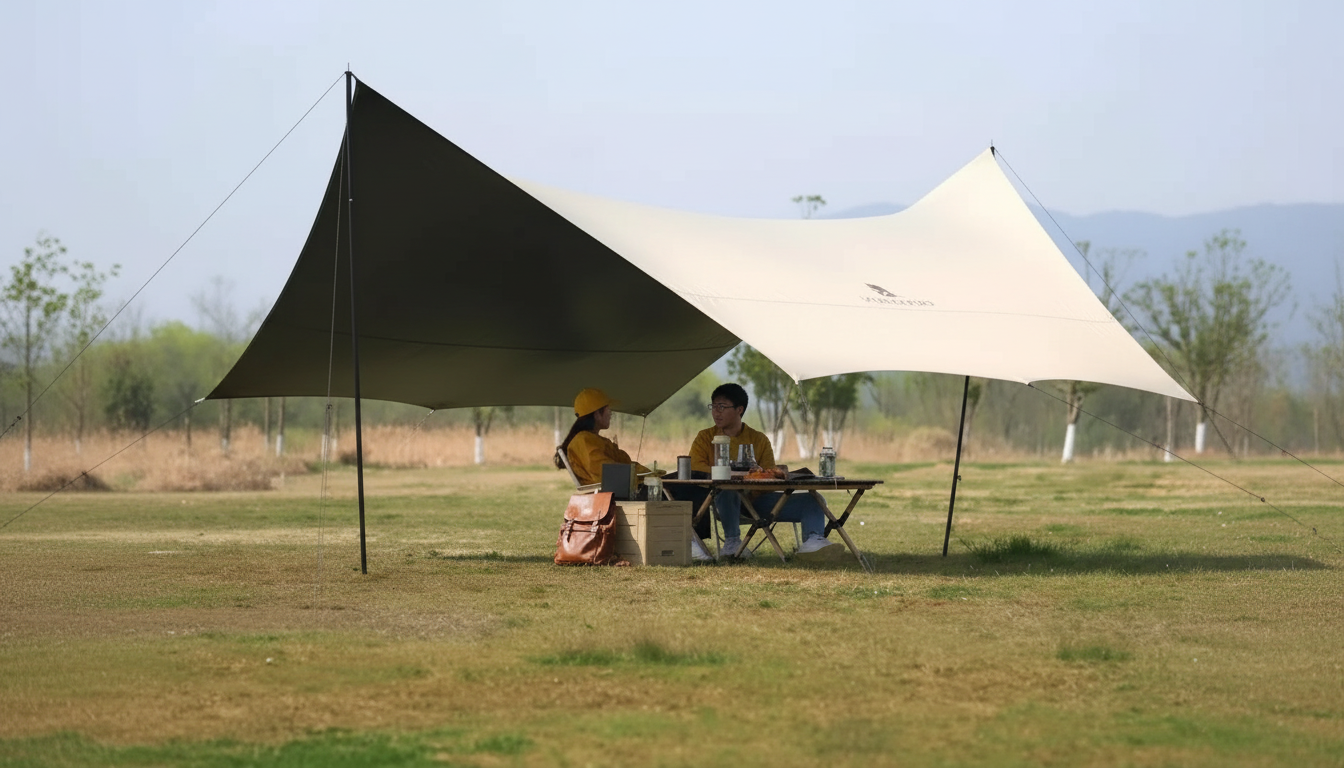
Waterproof UV-Resistant Camping Tarp Canopy for Outdoor Adventures
A reliable tarp canopy can turn an exposed campsite into a comfortable base—blocking harsh sun, shedding rain, and creating flexible coverage for cooking, resting, and gear storage. With a few smart setup habits, a well-made tarp becomes one of the most useful pieces of outdoor shelter: quick to pitch, easy to adjust, and adaptable when weather changes mid-trip.
What This Tarp Canopy Adds to a Campsite
A tarp canopy shines when you need coverage without the bulk of a full pop-up shelter. It’s a simple tool that scales from a solo overnight to a busy group site.
- Dual-purpose shelter: It provides shade in high sun and overhead protection during rain showers.
- Flexible footprint: Pitch it over a picnic table, tent entrance, hammock, or group seating area depending on your site layout.
- Helps manage condensation and heat: Open-sided coverage promotes airflow compared with fully enclosed shelters, which can trap warm, humid air.
- Useful beyond camping: Bring it to beach days, backyard gatherings, tailgates, or use it as emergency cover for gear or a work area.
Key Features to Look For in a Waterproof, Sun-Blocking Tarp
Not all tarps behave the same in wind, rain, and intense sun. The best balance comes from materials that shed water, resist UV wear, and include robust tie-out points so you can keep the canopy taut.
- Water resistance: A coated fabric and sealed construction help water bead and run off rather than soak through.
- UV performance: Sun-blocking material can reduce glare and heat load in the shaded area. Comfort also depends on sun angle and how wide your coverage is.
- Reinforced tie-out points: Stress concentrates at corners and attachment loops; reinforcement helps reduce tearing during gusts.
- Multiple attachment options: More tie-outs give you more pitching styles and better tension control.
- Packability and carry: A compact bundle with a storage bag keeps cords and stakes organized and helps you set up faster.
| What to check | Why it matters | What good looks like |
|---|---|---|
| Water shedding | Prevents drips and pooling overhead | Coated surface, taut pitch, water runs off edges |
| UV shielding | More comfortable shade for long sits | Dense weave/coating, broad coverage, minimal light bleed |
| Tie-out strength | Handles wind loads and tension | Reinforced corners, sturdy loops/grommets |
| Pitch versatility | Adapts to terrain and weather | Many tie-outs, works with poles/trees/vehicle points |
| Weight and volume | Easier to bring on trips | Packs down cleanly; all parts fit in one bag |
Common Pitch Styles for Real-World Conditions
Different pitches solve different problems. If you only learn two, make it an A-frame for rain and a lean-to for wind-driven weather.
- A-frame ridgeline: Run a line between two trees and drape the tarp over it for fast rain coverage. Angle the edges so water runs off cleanly.
- Lean-to: Set one side low to block wind-driven rain; the high side keeps headroom and ventilation.
- Diamond pitch: Stake corners diagonally for quick shade over a small seating area.
- Overhang/awning: Attach one edge higher and one lower to create a drier “cooking edge” and a predictable runoff drip line.
- Storm mode: Drop the windward side close to the ground, tighten guylines, and use extra tie-outs to reduce flapping.
Setup Tips That Improve Stability and Comfort
- Choose a smart site: Avoid depressions that collect water, and look up for dead branches (“widowmakers”).
- Pitch for runoff: Build in a slight slope to prevent pooling. Adjust corner heights so water exits away from seating and gear.
- Tension evenly: Tighten opposite corners in sequence, then re-tension after the fabric relaxes due to humidity or temperature shifts.
- Use strong anchors: Stakes hold best when set in firm soil at an angle. In sand or snow, use deadman anchors (bags, sticks, or rocks).
- Reduce noise and stress in wind: Add more guylines, lower the profile, and keep panels taut to limit flapping.
For day-to-day sun planning, checking the NOAA/NWS UV Index can help you time shade breaks. For all-day exposure, the Skin Cancer Foundation’s sun protection guidance is a helpful reminder that shade works best alongside clothing and sunscreen.
Best Use Cases: From Trailhead to Basecamp
When planning where and how you’ll use a canopy, it helps to follow the “plan ahead” mindset from Leave No Trace: know expected weather, bring the right anchors for your terrain, and avoid improvised setups that damage trees.
Care, Storage, and Long-Term Durability
In-Stock Options
- Waterproof UV-Resistant Camping Tarp Canopy for Outdoor Adventures — built for dependable overhead coverage with adaptable setup options.
- Professional 1875W Hair Dryer with Negative Ions & Brushless Motor for Fast Drying — handy for drying hair or damp layers in a powered campsite, cabin, or RV.
- Interactive Soccer Table Game for Kids — an easy option for keeping kids busy under cover when weather turns.
See the tarp canopy details and current availability.
FAQ
How do you stop water from pooling on a tarp canopy?
Pitch the tarp with a clear slope and keep the fabric evenly tensioned so water has a defined runoff path. Avoid flat spans by raising one side higher or using extra tie-outs (or a center lift point) to eliminate low spots.
Is a UV-resistant tarp enough for all-day sun protection?
It can make a big difference in shade comfort, but coverage size, sun angle, and reflected light still matter. Pair shade with protective clothing and sunscreen, especially during peak UV hours.
What’s the best way to secure a tarp canopy in windy conditions?
Lower the windward side, add guylines to spread load across more tie-outs, and use strong anchors suited to the soil. Re-tension after gusts and choose a naturally sheltered site when possible.













Leave a comment