Under-Pillow Pocket Bluetooth Bone Conduction Speaker
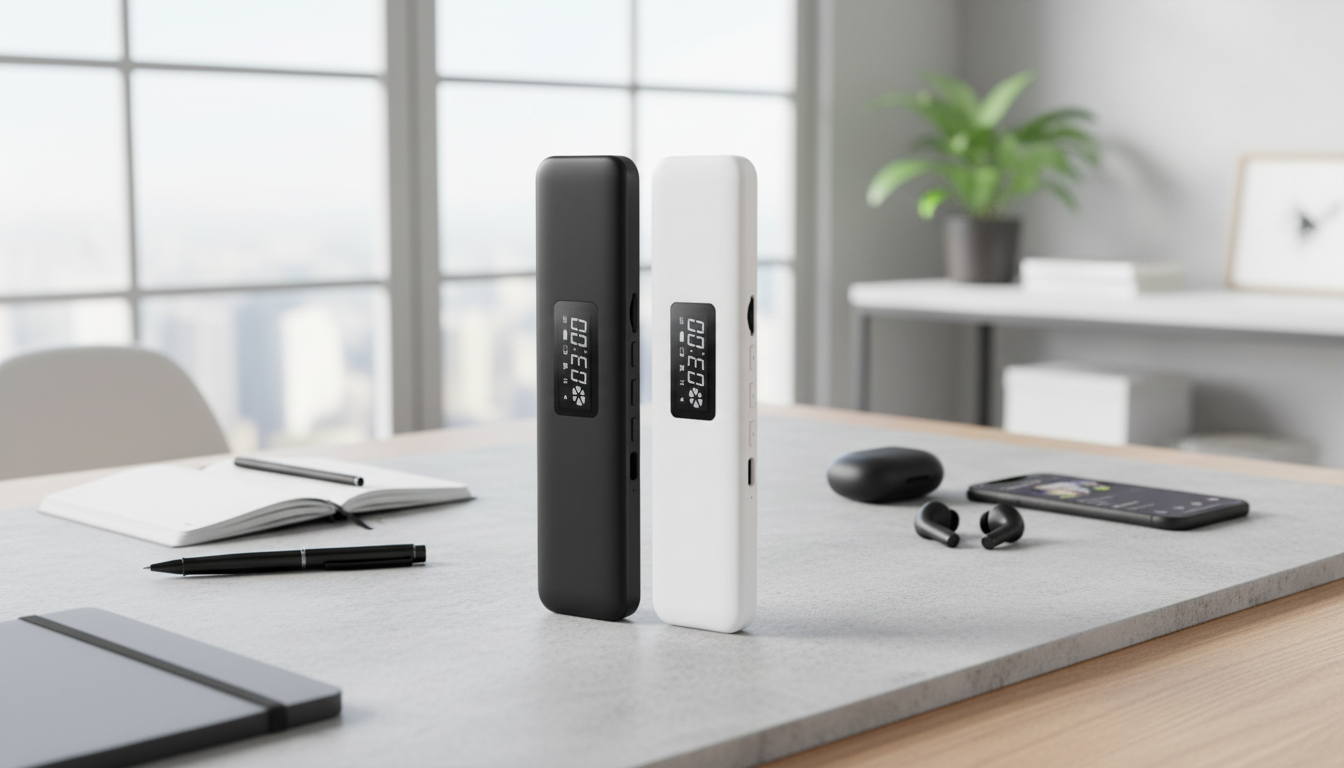
A compact Bluetooth speaker designed for under-pillow use can deliver calming audio without filling the room with sound. This pocket-sized bone conduction sleep sound box focuses vibration through the pillow surface, offering a more private, low-profile way to play white noise, ambient tracks, or quiet podcasts at bedtime.
What an Under-Pillow Bone Conduction Speaker Does
Unlike traditional bedside speakers that project sound into the air, an under-pillow bone conduction speaker relies on vibration. When it’s placed against a firmer contact point—such as a pillow seam or the mattress edge—it transfers subtle vibrations into the pillow material, which your ears pick up as localized sound.
- Uses vibration through a solid surface (like a pillow or mattress edge) to transmit sound
- Helps keep room volume lower compared with traditional bedside speakers
- Works well for white noise, sleep stories, meditation tracks, and soft music
- Portable size makes it easy to position near the pillow without a nightstand
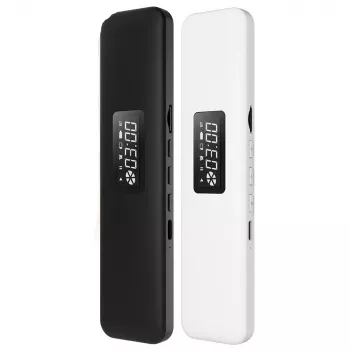
For a simple setup, the Pocket Bluetooth Speaker – Under Pillow Bone Conduction Sleep Sound Box is built specifically for close-range, bedtime listening where “just enough sound” is the goal.
Pocket Bluetooth Speaker – Key Benefits for Sleep Setups
Sleep audio is often about consistency: the same calming track, at the same volume, every night. A pocket-size under-pillow speaker supports that routine while keeping the setup uncluttered.
- Discreet placement: slips under a pillow corner or alongside the pillow
- More privacy: audio is more localized to the listener’s sleeping position
- Wireless convenience: Bluetooth playback avoids cables across the bed
- Travel-friendly: compact form factor fits easily into a bag for hotels or dorms
- Simple routine: pair once, then reconnect and start playback quickly at night
It’s also a practical option for shared spaces—apartments, dorm rooms, or a partner’s different sleep schedule—where room-filling audio can become a nightly compromise.
How to Place It Under a Pillow for Clearer Sound
Placement matters more than people expect. The goal is a stable contact point that transfers vibration efficiently, without crushing the device or muffling the sound.
- Position near the edge of the pillow rather than directly under the center to reduce pressure on the device
- Aim for a firmer contact point: pillow seam, folded corner, or near the mattress edge can improve vibration transfer
- Keep volume moderate; increase phone volume gradually to avoid distortion and to protect hearing
- If sharing a bed, place the speaker on the side closest to the listener for better localization
- Avoid blocking vents/ports (if present) and keep the device dry and away from lotions or spills
If the audio sounds faint, try moving it one or two inches at a time toward the pillow seam. If it sounds “buzzy,” slightly reduce volume and shift it to a flatter, more even section of the mattress edge.
Bluetooth, Battery, and Nighttime Usability
Sleep-friendly tech should fade into the background. To keep playback stable and avoid wake-ups, focus on connection consistency, battery habits, and notifications.
- Bluetooth range can vary by room layout; keeping the phone on the bedside area helps maintain a stable connection
- Charge earlier in the day or during evening routine to avoid mid-sleep power loss
- Use a consistent audio source (white noise loop, playlist, or app timer) to minimize wake-ups caused by track changes
- If the phone is used as the source, enabling sleep focus/do-not-disturb reduces notification interruptions
For safe listening practices—especially if you use audio nightly—health authorities recommend keeping volume comfortable and avoiding prolonged loud exposure. Helpful references include NIOSH/CDC guidance on noise and the World Health Organization’s safe listening information.
Quick Comparison: Under-Pillow Speaker vs. Earbuds vs. Bedside Speaker
Each sleep-audio approach has tradeoffs. If comfort and partner-friendly volume are priorities, an under-pillow option often lands in the sweet spot.
| Option | Comfort for side sleepers | Privacy (partner disturbance) | Best use case |
|---|---|---|---|
| Under-pillow bone conduction speaker | High | Medium–High | White noise, calm audio, shared rooms |
| Sleep earbuds | Medium (varies by fit) | High | Noisy environments, maximum isolation |
| Bedside speaker | High | Low–Medium | Solo sleepers, richer room-filling sound |
Under-pillow vibration speakers can feel less intrusive than earbuds for side sleepers, while still keeping audio more localized than a conventional speaker. Earbuds can deliver the most isolation, but discomfort, ear fatigue, or losing an earbud overnight are common issues. Bedside speakers can sound fuller, yet they’re more likely to disturb a partner or roommate.
Care, Safety, and Good Sleep Audio Habits
A small nightly routine keeps your device performing well and helps protect long-term hearing comfort.
For a smoother bedtime setup, pair your under-pillow speaker with small, practical upgrades around the house—like the Professional 1875W Hair Dryer with Negative Ions & Brushless Motor for Fast Drying for a quicker evening routine, or the Interactive Soccer Table Game for Kids to help kids wind down earlier so the household gets to “quiet time” sooner.
FAQ
Will an under-pillow bone conduction speaker wake up a partner?
It’s usually more localized than a bedside speaker because vibration is focused near your pillow, but some sound and vibration can still travel through bedding. Keeping volume lower, placing it closest to your side, and using steady ambient tracks can reduce disturbance.
Can it play white noise or sleep stories from a phone?
Yes—Bluetooth lets it play audio from common phone apps, including white noise loops, sleep stories, and playlists. Using downloaded tracks or an app timer can help prevent interruptions, and do-not-disturb reduces notification sounds.
Where should it be placed for the best sound?
Place it near the pillow edge or seam, or between the pillow and mattress edge for firmer contact and clearer vibration transfer. Avoid putting it directly under the center of the pillow where body weight can muffle sound and put extra stress on the device.















Leave a comment