Storm-Ready 10000mAh Solar Crank Radio + Flashlight
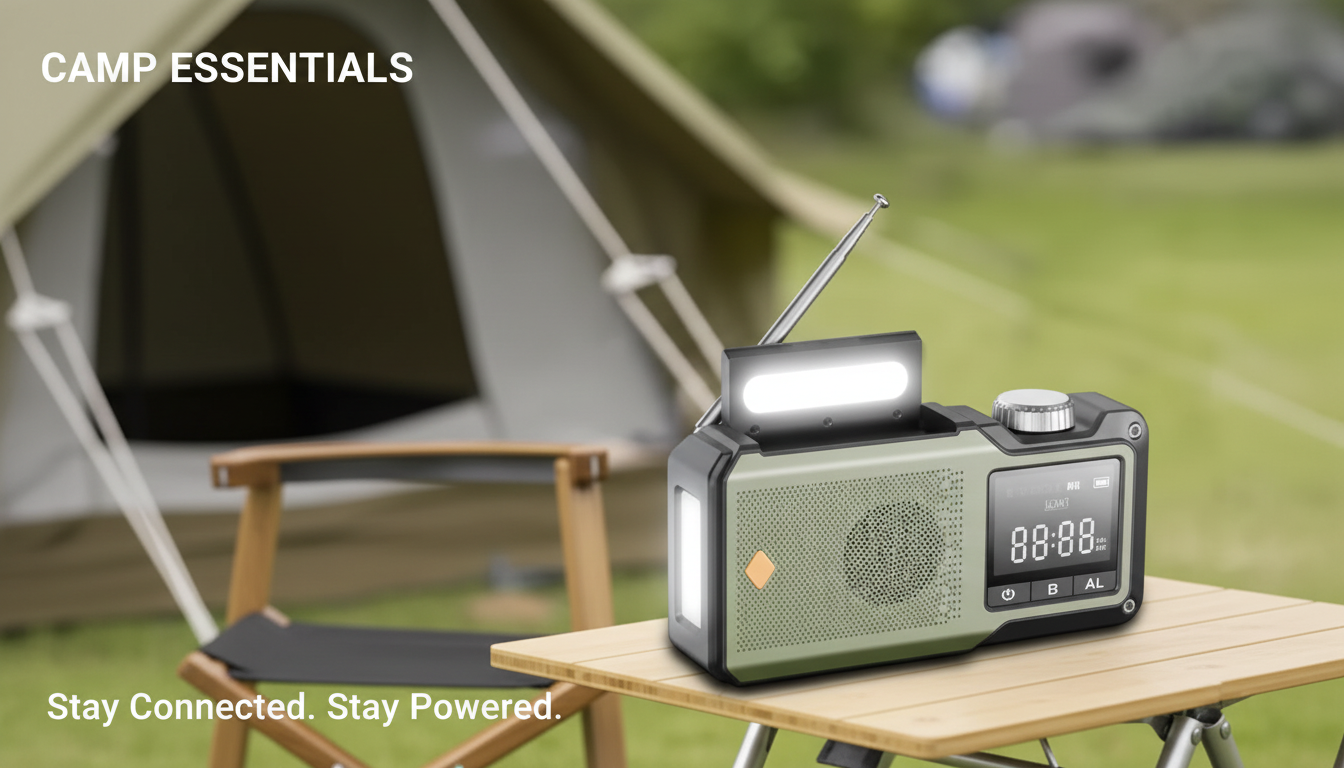
10000mAh Solar Hand Crank Emergency Radio with Flashlight & Power Bank
A dependable emergency radio does more than tune in weather alerts—it keeps light on, helps conserve phone battery, and provides multiple ways to stay powered when outlets are unavailable. This 10000mAh solar and hand-crank radio is built for outages, storms, camping, and go-bags, combining alert-ready radio reception with a flashlight and a high-capacity power bank.
What This Emergency Radio Is Designed to Do
- Provide access to weather and local broadcasts when mobile data and Wi‑Fi are down
- Offer backup power for phones and small USB devices through its 10000mAh battery
- Deliver practical lighting for rooms, tents, hallways, and roadside situations
- Stay usable during extended outages with multiple recharging options (solar and hand crank)
For a ready-to-store option that combines these essentials in one compact unit, see the 10000mAh Solar Hand Crank Emergency Radio with Flashlight & Power Bank.
Key Features That Matter During an Outage
- 10000mAh built-in battery: supports extended standby and multiple phone top-ups (actual results vary by phone size, cable, and temperature)
- Solar charging capability: useful for slow, steady replenishment when sunlight is available
- Hand-crank charging: on-demand power generation for critical moments (enough for essential radio time, light, or a short phone boost)
- Flashlight: immediate illumination for safety checks, stairwells, and night use
- Power bank function: charge a phone to receive alerts, contact family, or use offline maps
- Compact emergency form factor: intended for bedside tables, glove boxes, and emergency kits
During severe weather, official guidance and alert systems vary by location. NOAA Weather Radio is a helpful reference for understanding broadcasts and coverage: NOAA Weather Radio.
Power Options Explained: Battery, Solar, and Hand Crank
This type of emergency radio is most effective when each power method is used strategically rather than interchangeably.
- Battery reserve is the primary energy source; keep it topped up before severe weather seasons.
- Solar charging is best treated as a maintenance and backup method—expect slower charging and plan for clear, direct light when possible.
- Hand crank is the last-resort method; short cranking sessions can keep the radio available for updates and provide light when needed.
- Best practice: use solar during daylight, conserve battery overnight, and reserve hand crank for urgent needs.
- During phone charging, prioritize essential functions: texts/calls and emergency alerts over streaming or hotspot use.
| Power method | Best use case | What to expect |
|---|---|---|
| Built-in 10000mAh battery | Primary runtime for radio, light, and charging | Most reliable; recharge fully ahead of time |
| Solar charging | Daytime maintenance during extended outages | Slow; depends on sun angle, clouds, and placement |
| Hand crank | Urgent top-ups when other options aren’t available | Manual effort; best for short bursts of essential use |
Using It Effectively for Weather Alerts and Local Updates
- Find the best reception spot: a window or exterior wall often helps, especially during storms. Keep the unit protected from moisture and splashes.
- Know your stations ahead of time: write down the local weather/emergency stations and keep the note with the radio so anyone in the household can use it quickly.
- Conserve power on purpose: keep volume only as loud as needed and switch off the flashlight when it’s not actively being used.
- Monitor in intervals: for fast-changing events (tornado watches/warnings, flash floods), check updates periodically instead of running maximum volume continuously.
For broader preparedness checklists and supply planning, FEMA’s recommended kit guidance is a strong starting point: FEMA Emergency Supply Kit.
Flashlight and Safety Lighting: Practical Tips
- Stage it where you’ll reach first: bedside table, kitchen drawer, or near the main breaker panel—places people instinctively go when lights go out.
- Use directed light for short tasks: quick checks for doors/windows, finding medication, locating water shutoff—then turn it off to reduce unnecessary drain.
- Layer your lighting: keep a small headlamp in a go-bag for hands-free tasks and treat the radio’s flashlight as “grab-and-go” illumination for navigation and safety checks.
Realistic Phone Charging Expectations from a 10000mAh Power Bank
| Priority | Device/task | Suggested approach |
|---|---|---|
| High | Phone for alerts and family contact | Top up to a safe level, enable low-power mode, reduce screen brightness |
| Medium | Radio listening for updates | Check updates at intervals; avoid unnecessary volume |
| Low | Non-essential devices | Delay charging until primary needs are covered |
Where This Fits in an Emergency Kit
If you’re assembling a family “power outage” bin, it can also help to include quiet, screen-free entertainment for kids. The Interactive Soccer Table Game for Kids is an easy add-on that doesn’t depend on chargers or outlets.
Care, Storage, and Quick Maintenance
For additional outage safety reminders (food storage, generator spacing, and general precautions), review: American Red Cross: Power Outage Safety.
FAQ
How long can a 10000mAh emergency radio power a phone?
It depends on your phone’s battery size and normal power conversion losses, but a 10000mAh unit commonly provides one to a few partial-to-full top-ups. For best results during an outage, charge only to the level needed to stay reachable and keep the phone in low-power mode, especially in cold conditions.
Is solar charging enough to fully recharge an emergency radio?
Solar charging is helpful but typically slow, so it’s best for maintaining charge during daylight and extending runtime rather than expecting quick full recharges. Placement in clear, direct sunlight makes the biggest difference, while clouds and shade can significantly reduce output.
When should the hand crank be used?
Reserve the hand crank for urgent needs—quick radio checks for updates, short periods of light, or an emergency phone boost. Using the built-in battery first (and solar when available) reduces effort and keeps cranking as a true last-resort option.















Leave a comment