Smart Bidet Toilet Guide: Auto Flush, Heated Seat & Dry
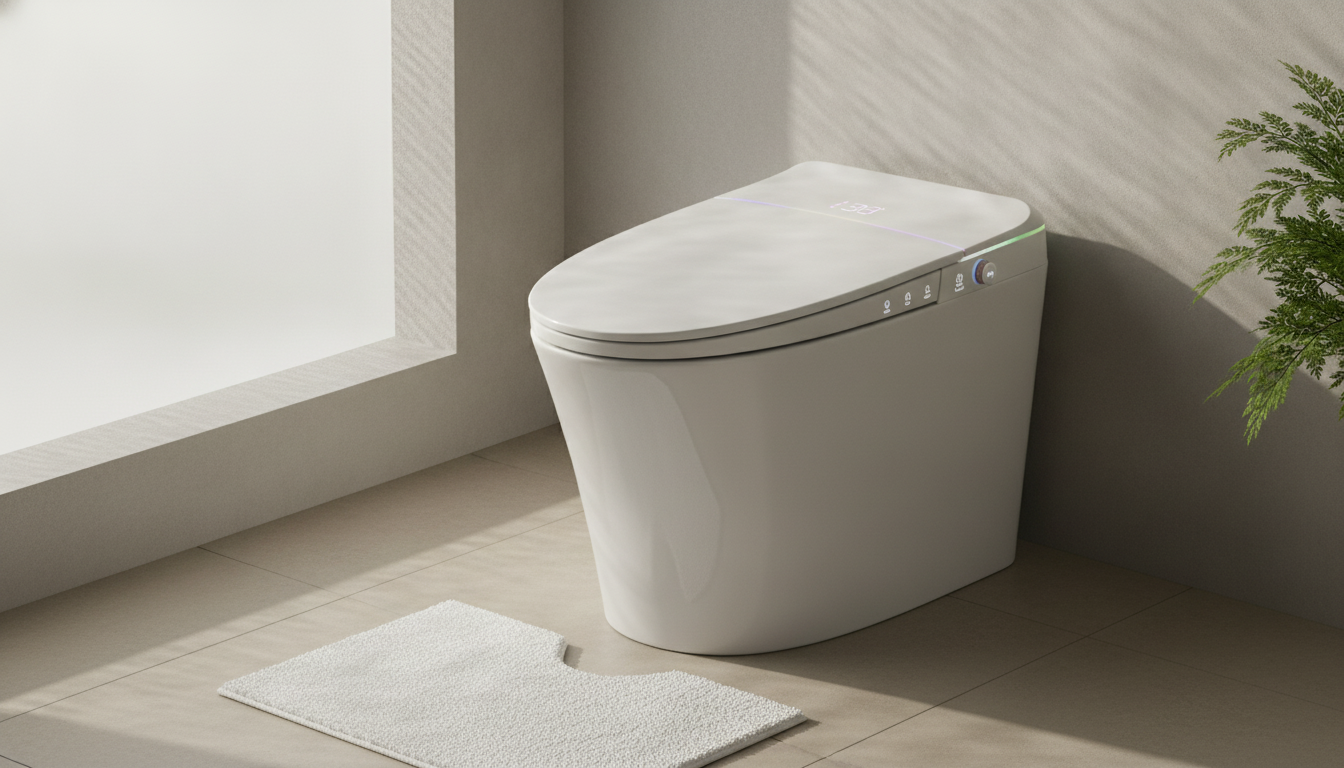
Multi-Function Smart Bidet Toilets: Comfort, Hygiene, and Hands-Free Convenience
A smart bidet toilet combines warm-water cleansing, a heated seat, and warm air drying into a single fixture designed to reduce paper use, improve comfort, and streamline daily routines. With hands-free auto flush and customizable settings, it can deliver a cleaner feel while adding a modern, spa-like upgrade to the bathroom.
For homeowners planning a refresh, an integrated model can look more seamless than a separate bidet attachment and can simplify everyday use with consistent settings and automated features.
What Makes a Smart Bidet Toilet Different
Unlike add-on seats, a smart bidet toilet is designed as one coordinated system—bowl, wash functions, sensors, and controls—working together.
- Integrated design: bidet functions and toilet hardware are built together for a clean look and fewer add-on parts.
- Personalized cleansing: adjustable water temperature, pressure, and wash modes can better suit different preferences and sensitivities.
- Comfort features: a heated seat and warm air drying reduce the “cold seat” effect and cut down on towel or paper use.
- Hands-free convenience: auto flush and automated features can reduce contact with high-touch surfaces.
Key Features to Look For (and Why They Matter)
Smart toilets vary widely. Paying attention to the details below helps match the experience to the bathroom and the people using it.
- Auto flush: helps keep the toilet cleaner and reduces the need to touch handles or buttons; confirm sensor reliability and a manual override.
- Heated seat: useful in colder climates and for comfort; check for multiple heat levels and stable temperature control.
- Air drying: reduces toilet paper usage and can be gentler on skin; look for adjustable drying temperature and sufficient cycle time.
- Nozzle options: separate or multi-function nozzles, self-cleaning cycles, and stainless-steel construction can improve hygiene and longevity.
- User controls: remote, side panel, or dial; consider readability, water-resistance, and easy access for guests.
- Night light and deodorization: small add-ons that can improve usability and perceived freshness, especially at night.
- Safety protections: GFCI-compatible power requirements, leak protection, overheat protection, and auto shutoff help prevent hazards.
Feature Checklist for Daily Comfort
| Feature | What to verify | Why it matters |
|---|---|---|
| Auto flush | Sensor responsiveness; manual flush backup | Reduces contact and keeps routines simple |
| Heated seat | Multiple levels; consistent heating | Comfort in cool weather; better experience for guests |
| Warm-water wash | Temperature range; pressure steps | More comfortable and effective cleansing |
| Air drying | Adjustable heat; drying duration | Less paper use; gentler on skin |
| Nozzle hygiene | Self-clean cycle; nozzle material | Cleaner operation and easier maintenance |
| Controls | Simple layout; water-resistant; clear icons | Fewer mistakes and easier guest use |
Daily Use: A Simple Routine
Most smart bidet toilets feel intuitive after a few uses. A consistent routine makes the transition easy for the whole household.
For more context on bidet hygiene considerations, see guidance from the Mayo Clinic.
Installation and Bathroom Readiness
- Electrical needs: smart toilets typically require a nearby grounded outlet; a GFCI outlet is commonly recommended for bathroom safety. The NFPA provides general electrical safety information related to GFCI protection.
- Water supply compatibility: confirm the shutoff valve condition and placement; replacing older supply lines during installation can help prevent future seepage.
- Rough-in and fit: measure rough-in distance, side clearance, and door swing to ensure comfortable spacing.
- Floor and seal: confirm the flange is level and solid; use the sealing method specified by the manufacturer to prevent leaks.
- Professional help: a licensed plumber/electrician can reduce risk—especially in older homes or when adding/updating outlets.
Cleaning, Maintenance, and Long-Term Care
Water, Energy, and Comfort Tradeoffs
- Water savings potential: effective cleansing can reduce toilet paper use; many modern toilets are also designed for efficient flushing. For broader water-efficiency context, the EPA WaterSense program is a helpful reference.
- Energy use: heated seats and warm air drying use electricity; eco modes, timers, and modest temperature settings can reduce consumption.
- Comfort balance: higher drying heat and hotter seat settings feel more luxurious but can increase power use—dial in what matches daily routines.
- Household fit: consider how many people share the bathroom and whether multiple profiles or quick-access presets matter.
Who Benefits Most From Hands-Free and Warm-Dry Features
Product Spotlight
Multi-Function Smart Bidet Toilet with Auto Flush, Heated Seat, and Air Drying is an all-in-one upgrade designed for comfort-forward daily use with hands-free convenience. It’s a strong fit for bathroom remodels or fixture replacements where an integrated look and a consistent, built-in experience matter.
If you’re refreshing a bathroom vanity area at the same time, consider pairing the upgrade with a reliable grooming tool like the Professional 1875W Hair Dryer with Negative Ions & Brushless Motor for Fast Drying for a more complete day-to-day routine.
FAQ
Does a smart bidet toilet still work if a feature is turned off?
Yes. Most smart functions are adjustable, so heating or drying can typically be disabled while core toilet use remains normal. Many models also include manual controls or a backup flush option for essential actions.
How long does air drying usually take?
Air drying often takes roughly 1–3 minutes depending on the heat setting and how thorough a dry feels comfortable. Some users run a shorter cycle and use a small amount of paper for a quick final check.
What maintenance is most important for long-term reliability?
Regular nozzle self-clean cycles, routine exterior cleaning with non-abrasive products, and timely descaling in hard-water areas are key. It’s also important to periodically check connections and seals for slow leaks and follow the manufacturer’s maintenance schedule.















Leave a comment