Seasonal Decorating Checklist: Budget Swaps That Shine
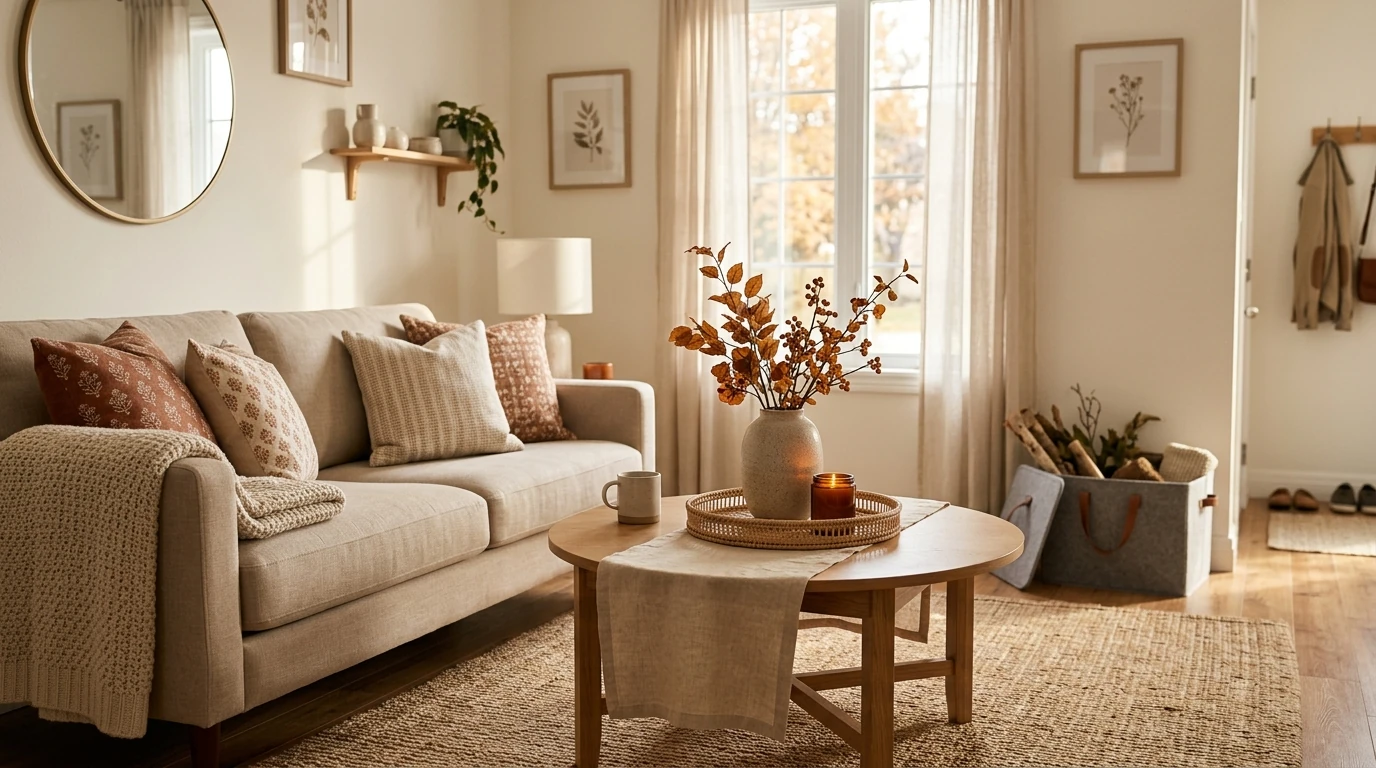
Seasonal Decorating Checklist: Affordable Accents for a Fresh-Feeling Home
Seasonal decorating feels best when it stays simple, reusable, and focused on a few high-impact swaps. Instead of treating every season like a full makeover, use a quick checklist: plan in minutes, “shop” what you already own, pick a small palette, and rotate affordable accents by room. The result is a home that feels intentional all year—without clutter, overspending, or weekend-long projects.
Start With a 15-Minute Seasonal Plan
Before anything comes out of storage (or goes into your cart), set a quick plan that keeps decisions easy and purchases minimal.
- Pick a theme in one sentence. Examples: “warm neutrals + brass + dried florals” or “cool blues + glass + greenery.”
- Choose a small palette: two main colors plus one metal/wood tone so everything mixes well.
- Set a spending cap and a container limit. One tote per season is a simple rule that prevents clutter creep.
- Pick your hero zones first: entryway, coffee table, dining table, and sofa area usually deliver the biggest visual impact.
- Make a reuse list: what stays year-round (neutral vases, baskets, candleholders) vs. what rotates (pillow covers, stems, table linens).
If you want a printable, step-by-step version you can reuse every season, keep this guide handy: Your Seasonal Decorating Checklist – How to Decorate with Seasonal Accents Affordably.
Shop Your Home Before Buying Anything
A “shop your home” sweep prevents duplicates, helps you rediscover forgotten favorites, and makes seasonal updates feel more curated.
- Pull everything seasonal into one spot and sort into: keep, repair, donate, recycle.
- Re-theme basics by pairing them differently. A neutral tray becomes seasonal with one stem bundle + one candle + one small object.
- Rotate art and frames. Swap prints, move a framed postcard set to a new hallway, or change mat colors.
- Refresh textiles for free. Flip throw pillows, use a blanket as a table runner, or layer two smaller rugs for contrast.
- Use nature carefully. Clean branches, pinecones, or stones and place them in simple containers for an elevated look.
Budget-Friendly Seasonal Accents That Look High-End
When the base of your home is neutral, a few swaps can change the whole mood—fast.
- Textiles first: pillow covers, a throw, and a table runner read “seasonal” quicker than most decor objects.
- One statement stem moment: a single large branch arrangement often looks more upscale than many small items.
- Lighting swap: warm white bulbs for cozy seasons; cool/neutral for airy seasons (keep bulb color consistent within a room). For energy-efficient options, see the U.S. Department of Energy’s overview of LED lighting.
- Scent with restraint: one candle or diffuser per main area avoids competing fragrances. If you’re sensitive to smells, the U.S. EPA’s guidance on indoor air quality is a helpful reference.
- Repeat materials: pick one signature texture (rattan, velvet, linen, ceramic, glass) and echo it in two to three spots.
Low-Cost Swaps That Deliver the Biggest Seasonal Change
| Swap | Best Placement | Why It Works | Typical Budget Range |
|---|---|---|---|
| Pillow covers | Sofa, bed, reading chair | Large visual surface area; easy to store | $10–$40 |
| Table runner/placemats | Dining table, console | Creates an instant seasonal “base layer” | $10–$35 |
| Stems/greenery bundle | Entry, coffee table, kitchen island | Adds height, color, and movement | $8–$30 |
| Candles/holders | Mantel, tray, bathroom vanity | Adds glow and a curated look | $5–$25 |
| Doormat + wreath | Front door/porch | Sets the tone before anyone enters | $15–$60 |
Room-by-Room Checklist (Keep It to 3 Touchpoints Each)
The “three touchpoints” rule keeps seasonal decor looking styled instead of crowded. Aim for one textile swap, one tabletop vignette, and one vertical element (like stems or a wreath).
- Entryway: update the doormat or wreath, add a small tray for keys, and place one seasonal vase arrangement.
- Living room: swap pillow covers, restyle the coffee-table tray (three items max), and add one cozy layer (throw or lantern).
- Dining area: change runner/placemats, center one seasonal focal piece, and keep daily clutter off the surface.
- Kitchen: use seasonal dish towels, a small bowl of produce or faux fruit, and one simple countertop vignette (avoid crowding prep zones).
- Bedroom: switch pillow shams or a throw at the foot of the bed, add a seasonal scent on the nightstand, and change one piece of wall art or a small vase.
- Bathroom: rotate hand towels, add a small plant/branch, and keep colors calm to prevent visual noise.
DIY Accents That Don’t Require Craft Expertise
DIY doesn’t have to mean paint spills and complicated tools. These upgrades are quick, forgiving, and easy to store after the season ends.
For a giftable centerpiece idea that doubles as decor (especially for spring and summer styling), consider the DIY Wooden Bloom Box 3D Puzzle Kit.
Affordable Shopping Rules to Avoid Overbuying
If you decorate with candles and seasonal lighting, review the NFPA’s holiday safety guidance and keep flames away from dried botanicals, fabric, and greenery.
Reset and Store: The 10-Minute End-of-Season Routine
FAQ
How many seasonal decorations are enough for a room?
A reliable cap is three touchpoints per room: one textile (like pillow covers), one tabletop vignette, and one vertical element (like stems or a wreath). It reads styled and intentional without looking busy.
What are the best seasonal decor items to buy if storage space is limited?
Prioritize flat or nestable pieces such as pillow covers, table linens, ribbon, printable art, and lightweight faux stems. Skip bulky single-use props unless they replace several smaller items.
How can seasonal decorating look cohesive across the whole home?
Repeat a small color palette and one signature material (glass, woven texture, brass, or ceramic) across your entry, living room, and dining area first. Once those hero zones match, smaller accents in other rooms will naturally feel connected.














Leave a comment