Printable Credit Repair Checklist for Beginners (Start Today)
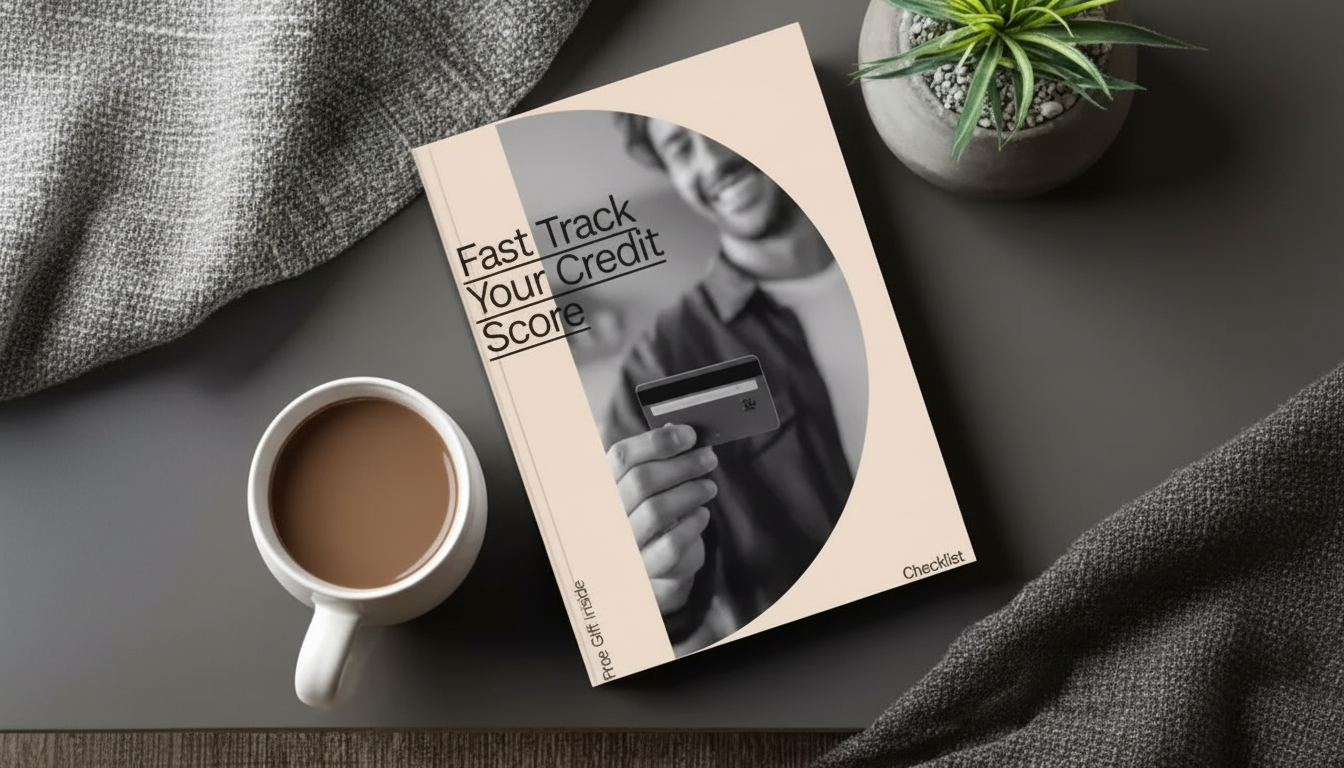
Fast Track Your Credit Score: A Beginner-Friendly Printable Checklist You Can Start Today
Credit improvement gets a lot easier when the next step is obvious, scheduled, and trackable. Instead of guessing what matters most, a simple checklist turns “someday” tasks—like lowering utilization or following up on a dispute—into a routine you can actually stick with. Below is a beginner-friendly credit repair checklist that covers what to do first, what to do weekly, and what to track so progress is measurable and mistakes are less likely.
What Moves a Credit Score the Most
Credit scores change based on patterns, not one-time hacks. When effort goes to the right places, results are usually faster and more stable.
- Payment history: On-time payments consistently outweigh most quick fixes.
- Credit utilization: Keeping revolving balances low compared to limits often shows results fastest.
- Account age and mix: Older accounts and a healthy blend help over time.
- New credit and inquiries: Too many applications in a short period can drag scores down.
- Accuracy: Incorrect late payments, balances, or accounts can suppress scores until corrected.
For a clear overview of how reports and scores work, see the Consumer Financial Protection Bureau’s guide: Consumer Financial Protection Bureau — Credit Reports and Scores.
The 30-Minute Setup Before the Checklist Starts
Think of setup as building a control panel. Once everything is organized, the weekly routine becomes quick and repeatable.
- Gather access to all accounts: logins for credit cards, loans, and collection accounts if applicable.
- Pull credit reports and save copies: download reports and note the report dates.
- Create a simple tracking spot: folder or binder for statements, dispute letters, and confirmations.
- Turn on autopay for minimum payments where possible, then add payment reminders as a backup.
- List due dates, balances, interest rates, limits, and minimum payments in one place.
You can get your official reports at Annual Credit Report, then compare what you see to your statements and confirmations.
Quick Credit Score Checklist (Daily/Weekly/Monthly)
| Cadence | Task | What to Track | Why it Matters |
|---|---|---|---|
| Today | Set autopay for minimums and add calendar reminders | Confirmation emails, next due dates | Prevents late payments and fees |
| Weekly | Check utilization on revolving accounts | Balance, limit, utilization % | Keeps credit card usage from spiking |
| Weekly | Make an extra payment before the statement closes | Payment date, new balance | Can lower reported balances |
| Monthly | Review statements for errors and fees | Unexpected charges, interest, late fees | Catches problems early |
| Monthly | Update dispute/verification log if needed | Dates, bureau responses, outcomes | Improves follow-through on corrections |
| Quarterly | Pull updated credit reports | Changes in balances, status, accounts | Confirms progress and accuracy |
Beginner Checklist: The First 7 Days
If you’re starting from scratch, the first week is about stopping the biggest damage, reducing utilization quickly, and documenting anything inaccurate.
- Day 1: List every account and confirm each due date; prioritize anything already past due.
- Day 2: Bring any past-due accounts current if possible; ask lenders about hardship options if needed.
- Day 3: Reduce utilization fast: pay down revolving balances, especially on cards close to their limits.
- Day 4: Stop score-draining habits: pause new credit applications and remove unnecessary authorized-user ties if they harm utilization.
- Day 5: Check for reporting errors: wrong balance, wrong limit, incorrect late payment, duplicated collection.
- Day 6: Start a dispute/verification plan: document what’s inaccurate and gather proof (statements, letters, payment confirmations).
- Day 7: Create a sustainable budget line for debt paydown and an emergency buffer to avoid new balances.
Utilization Moves: Fast Wins Without New Credit
Utilization is often the lever you can pull the fastest because it can change as soon as lenders report new balances.
- Target utilization bands: Aim for low overall utilization and avoid maxing any single card.
- Pay before the statement date: Reported balances often reflect statement closing, not payment due date.
- Spread balances strategically: One high-utilization card can drag scores even if total utilization looks fine.
- Ask for a credit limit increase carefully: Only when finances are stable and inquiry policies are known; avoid repeated requests.
- Use multiple small payments: Paying more than once per month can keep balances from creeping up between paychecks.
Accuracy Check: What to Look for on Credit Reports
Errors can quietly hold your score down. A focused audit helps you spot the issues that are most likely to matter.
Disputes and Follow-Up: Keeping It Organized
For step-by-step dispute guidance, the FTC’s overview is a helpful reference: Federal Trade Commission — Disputing Errors on Credit Reports.
Habits That Protect Gains Long-Term
Printable Checklist: A Simple Way to Stay Consistent
If you want a ready-to-use format, see Fast Track Your Credit Score – Printable Credit Repair Checklist for Beginners | How to Improve Your Credit Score Fast | Instant Download.
Shop Tools to Support Your Routine
- Fast Track Your Credit Score – Printable Credit Repair Checklist for Beginners | How to Improve Your Credit Score Fast | Instant Download
- DIY Wooden Bloom Box 3D Puzzle Kit
FAQ
How fast can a credit score improve?
Timing varies: utilization changes can show up quickly after your lender reports a lower balance, while payment history and older negative items typically take longer to fade. The most reliable path is consistent on-time payments plus steady reductions in revolving balances.
Should balances be paid off before the due date or the statement date?
The due date matters for avoiding late fees and missed payments, but the statement closing date often determines what balance gets reported. Paying before the statement date can lower reported utilization while still keeping everything on time.
Do credit report disputes hurt a credit score?
Disputes themselves don’t directly lower scores. Focus on inaccurate or unverifiable items, keep your documentation organized, and avoid repeatedly disputing information that’s correct.















Leave a comment