Lower Your Water Bill: Leak Checks & Quick Fix Checklist
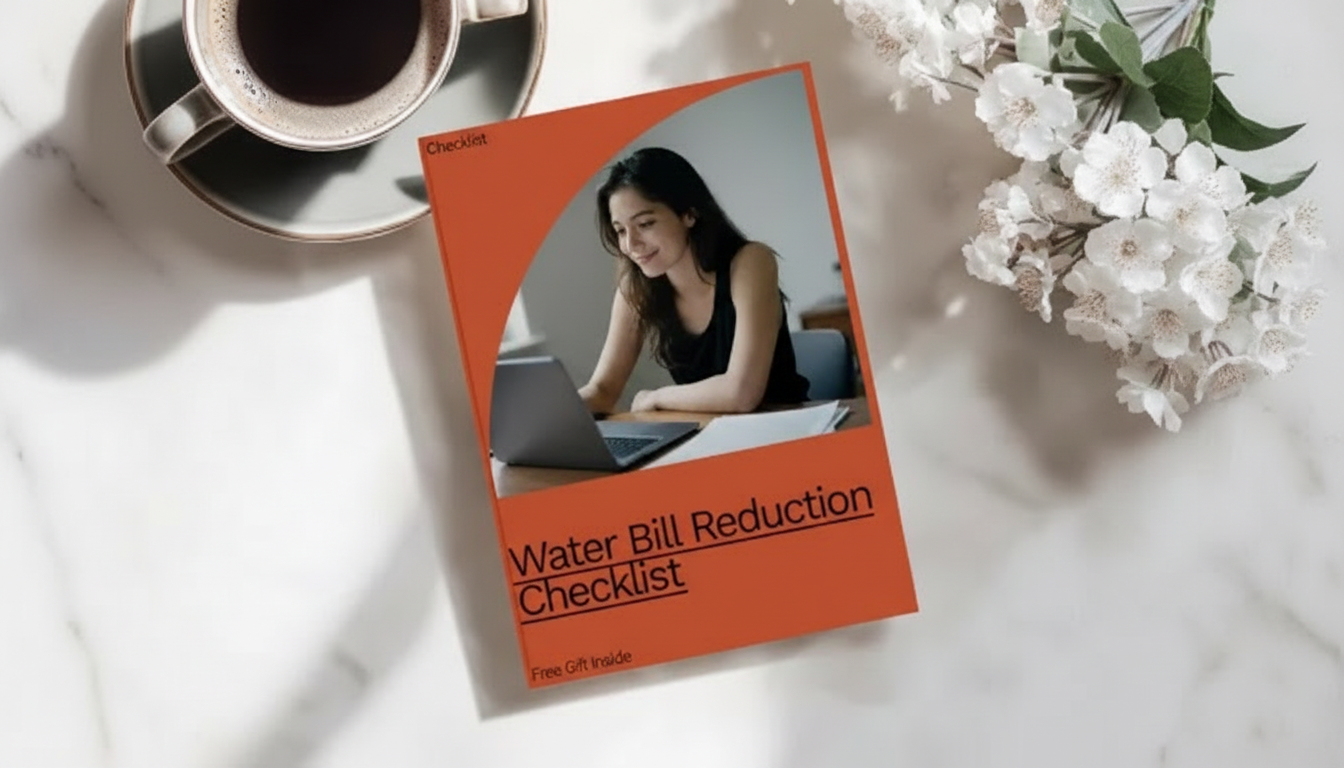
Water Bill Reduction Checklist: Simple Steps to Cut Water Use and Keep More Cash
High water bills usually trace back to a few repeat culprits: hidden leaks, inefficient fixtures, wasteful routines, and outdoor watering that quietly snowballs. A simple checklist helps you spot quick wins, plan upgrades without guesswork, and track what actually moves the needle month to month—without turning daily life into a spreadsheet.
Start With the Bill: Find the Fastest Clues
Before swapping fixtures or changing habits, use your bill to narrow the search. Most households can identify the likely cause of higher costs in 10 minutes.
- Compare the last 3–6 bills to spot spikes, seasonal patterns, and unusual charges.
- Check the billing period length; a longer cycle can look like a sudden increase.
- Locate the usage unit (gallons, cubic feet, or cubic meters) so future comparisons stay consistent.
- Confirm household changes (guests, new appliances, lawn watering, pool filling) that may explain increases.
- Note tiered pricing, sewer charges, or fixed fees that affect total cost even if usage drops.
Common bill clues and what to do next
| Bill clue | What it may indicate | Next action |
|---|---|---|
| Usage jumped 20–50% with no lifestyle change | Leak or running fixture | Do a meter test and inspect toilets, faucets, and irrigation |
| Higher total cost but similar usage | Rate increase or higher sewer fee | Review utility rate notice; focus on cutting usage to offset |
| Peak usage in warm months | Outdoor watering or evaporation losses | Adjust irrigation schedule; add mulch; check sprinklers for overspray |
| Usage rises overnight | Toilet flapper leak or softener/regeneration issue | Perform dye test in toilets; review softener settings |
| Usage slowly climbs month after month | Inefficient fixtures or creeping habits | Prioritize fixture upgrades and habit resets |
Leak Detection Checklist (Highest Savings Potential)
Leaks are the most cost-effective place to start because they waste water 24/7. Even small “silent” leaks can add up faster than a few long showers.
- Do a water meter test: record the meter, avoid water use for 1–2 hours, then recheck; movement suggests a leak.
- Toilet dye test: add a few drops of food coloring to the tank; color in the bowl after 10–15 minutes indicates a flapper leak.
- Inspect under sinks for dampness, mineral deposits, or warped cabinet flooring.
- Check outdoor spigots and hose connections for dripping; replace worn washers and tighten fittings.
- Watch for irrigation leaks: soggy patches, unusually green strips, and sprinkler heads that bubble water when off.
- Listen for silent toilet runs and “phantom flushes,” especially at night.
- If you have a water softener or filtration system, verify it isn’t stuck regenerating or leaking from drain lines.
If the meter shows usage during a no-water window and you can’t find the culprit quickly, it’s worth calling a plumber—especially if you suspect a slab leak or a line between the meter and the house.
Bathroom Wins: Reduce Use Without Losing Comfort
The bathroom is where easy upgrades and tiny habit shifts can create consistent savings.
- Replace old showerheads with WaterSense-labeled models; many keep a strong spray while cutting flow. Use the EPA’s directory to find options: EPA WaterSense — Find WaterSense Products.
- Shorten showers by 2–3 minutes using a timer; treat it like the default, not a once-in-a-while challenge.
- Fix or replace toilet flappers and fill valves; these low-cost parts can pay back immediately.
- If replacement is feasible, choose a high-efficiency toilet; older toilets can use 3.5–7 gallons per flush.
- Turn off the tap while brushing teeth and shaving; use a small cup or basin for rinsing.
- Install faucet aerators where missing to reduce flow while preserving usability.
Kitchen and Laundry: Cut Gallons Without Extra Work
Kitchen and laundry savings come from reducing “running water time” and letting appliances do their jobs efficiently.
Outdoor Watering: The Seasonal Bill Multiplier
For household water safety basics (especially if you’re dealing with outdoor hoses, irrigation, and any cross-connection concerns), the CDC overview is a solid reference: CDC — Water, Sanitation, & Hygiene.
Create a 15-Minute Monthly Routine (So Savings Stick)
Printable Checklist for Faster Follow-Through
Helpful tools and simple add-ons
- Water Bill Reduction Checklist – A Simple Guide to Reduce Your Water Bill and Save Money (a quick, printable way to stay consistent and track what you’ve already fixed).
- DIY Wooden Bloom Box 3D Puzzle Kit (a low-effort “timer alternative” for shorter showers—set aside a small piece to work on after you’re done instead of lingering under hot water).
FAQ
Why did the water bill increase suddenly even though usage habits didn’t change?
Sudden increases often come from a running toilet (flapper leak), an irrigation leak, seasonal watering, a longer billing period, or a utility rate change. Start with a water meter no-use test and a toilet dye test to quickly confirm whether water is being used when it shouldn’t be.
What is the easiest way to check for a hidden water leak at home?
Check whether your water meter moves during a 1–2 hour no-water window, then do a quick toilet dye test and inspect under sinks and outdoor spigots for drips. If the meter still moves and no fixtures are leaking, contact a plumber to investigate hidden or underground leaks.
Which upgrades usually pay off the fastest for lowering water use?
Fixing leaks is usually the fastest payback, followed by adding faucet aerators, upgrading to a WaterSense showerhead, and replacing worn toilet flappers and fill valves. Full fixture replacements make the most sense when current fixtures are very old, inefficient, or already failing.
















Leave a comment