Irregular Beveled Mirror Wall Clock: Silent Roman Style
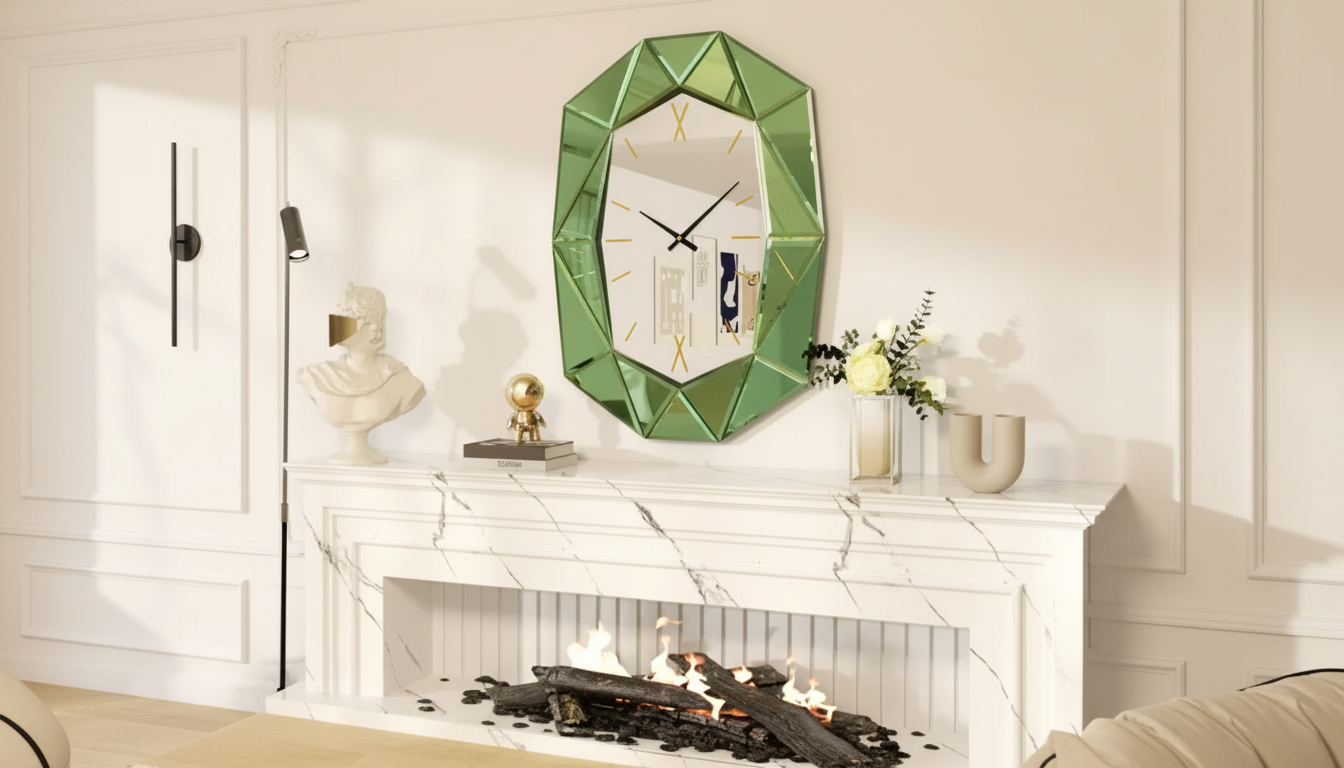
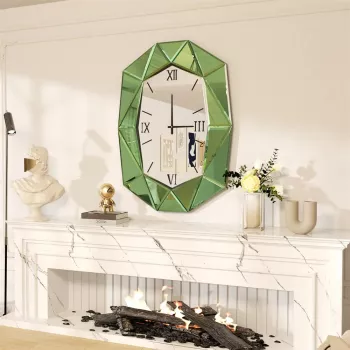
Irregular Beveled Mirror Wall Clock with Roman Numerals: A Statement Piece That Keeps Quiet Time
A wall clock can do more than tell time—it can brighten a room, add depth, and become a focal point. This irregular beveled mirror design pairs reflective elegance with easy-to-read Roman numerals and a silent quartz movement suited to quiet spaces like bedrooms, offices, and reading nooks.
If you’re looking for decor that feels intentional (not just functional), a mirrored clock with a sculptural outline can give a wall the same “finished” feel as artwork—while still earning its place in daily routines.
What Makes This Clock Stand Out
- Irregular silhouette: Adds a sculptural, gallery-like feel compared to standard round clocks.
- Beveled mirrored edge: Catches light and creates a subtle prism effect around the perimeter.
- Roman numerals: A classic look that complements traditional, transitional, and modern-glam interiors.
- Silent quartz movement: Helps maintain a calm environment without audible ticking.
For shoppers who want the exact piece referenced here, see the Irregular Beveled Mirror Wall Clock with Roman Numerals – Silent Quartz Movement.
Design Details: Mirror + Bevel + Roman Numerals
Mirrors do more than reflect—they multiply light, soften dark corners, and visually “push back” the wall plane. On a clock, that effect is especially practical: it turns a timekeeping essential into decor that contributes to the room even when no one is checking the hour.
- Mirrored face: Reflects surrounding light and decor, visually expanding smaller rooms and narrow hallways.
- Beveled edges: Add dimension, helping the clock read as decor even when not in use.
- Roman numerals: Create high visual contrast and a timeless aesthetic; placement typically supports quick time checks at a distance.
- Irregular outline: Softens rigid layouts and pairs well with curved furniture, arches, and layered wall art.
Quick Look: Style and Function
| Feature | Why it matters | Best for |
|---|---|---|
| Irregular mirrored shape | Creates a focal point and adds visual movement | Entryways, living rooms, statement walls |
| Beveled edge | Adds depth and sparkle under ambient lighting | Spaces with natural light or accent lighting |
| Roman numerals | Classic readability and formal styling | Traditional, transitional, hotel-inspired decor |
| Silent quartz movement | Quiet operation for focused or restful rooms | Bedrooms, offices, nurseries |
Silent Quartz Movement: What “Silent” Typically Means
Most silent quartz clocks use a sweeping or ultra-quiet step mechanism designed to reduce or eliminate the familiar tick. Quartz timekeeping is popular for consistent everyday accuracy and low maintenance—one reason it’s so widely used in home clocks. For a quick overview of quartz clock fundamentals, see Encyclopaedia Britannica’s entry on quartz clocks, or explore broader timekeeping basics via NIST’s Time and Frequency resources.
- Reduced noise: “Silent” typically means no audible ticking at normal room distance.
- Everyday accuracy: Quartz regulation is designed for consistent timekeeping with minimal adjustment.
- Flexible installation: Battery power keeps walls clean—no cords to hide or route.
- Battery tip: Use a fresh, name-brand alkaline battery and replace it when timekeeping becomes inconsistent.
Where It Looks Best
A mirrored clock’s best placement is where it can do double duty: reflect something attractive and remain easy to read. Because this style blends function with decorative presence, it tends to look most “at home” when it’s treated like wall art.
- Above a console table: The mirror surface complements trays, vases, and table lamps, pulling the vignette together.
- In the dining area: A reflective face adds brightness and balances darker wood tones and upholstered seating.
- In a hallway: Creates the illusion of more space while serving a practical purpose for busy mornings.
- In a bedroom: Silent operation supports sleep; position it away from direct glare from bedside lamps.
Placement Tips for Readability and Reflection
- Hang at eye level when possible: On tall walls, center it visually with nearby furniture rather than the full wall height.
- Manage glare: Avoid placing the clock directly opposite intense windows or harsh lamps that create bright hotspots.
- Mind heat and soot: If hanging above a mantel, keep clear space from heat sources and areas prone to smoke residue.
- Balance nearby decor: Pair with at least one matte-finish artwork or textile nearby to avoid an overly reflective cluster.
One easy styling trick: let the clock reflect something intentional—like a plant, a lamp with a warm shade, or a piece of art—so the mirror effect feels curated rather than accidental.
Care and Cleaning for a Beveled Mirror Clock
Mirrored decor stays crisp-looking with light, consistent maintenance. Dust and fingerprints are the most common culprits behind a dull finish, especially along beveled edges where light catches every smudge.
For general best practices on cleaning glass, the American Cleaning Institute offers helpful guidance on keeping glass surfaces clear without damage.
Set-Up Checklist
More In-Stock Picks to Complete the Space
- Irregular Beveled Mirror Wall Clock with Roman Numerals – Silent Quartz Movement (USD 204.32)
- Professional 1875W Hair Dryer with Negative Ions & Brushless Motor for Fast Drying (USD 45.51)
- Interactive Soccer Table Game for Kids (USD 39.51)
FAQ
Will a silent quartz wall clock make any noise at all?
“Silent” usually means no audible ticking in normal room conditions. In an extremely quiet room, you might notice a faint mechanical sound if you’re very close to the clock, and battery strength can also affect how noticeable movement sounds are.
How do you clean a beveled mirror clock without damaging it?
Use a microfiber cloth for dusting and apply a small amount of glass cleaner to the cloth—not the clock—to help prevent moisture from seeping near edges or backing. Avoid abrasive pads or powders that can scratch the mirrored finish.
Where should a mirrored wall clock be placed to avoid glare?
Keep it out of the direct line of intense lamps or sun-facing windows, and aim for indirect or diffused lighting. If glare is still an issue, slightly adjusting height or nearby lighting placement often reduces hotspots.










Leave a comment