Beginner Guide: 4CH LED RC Helicopter 4K Camera
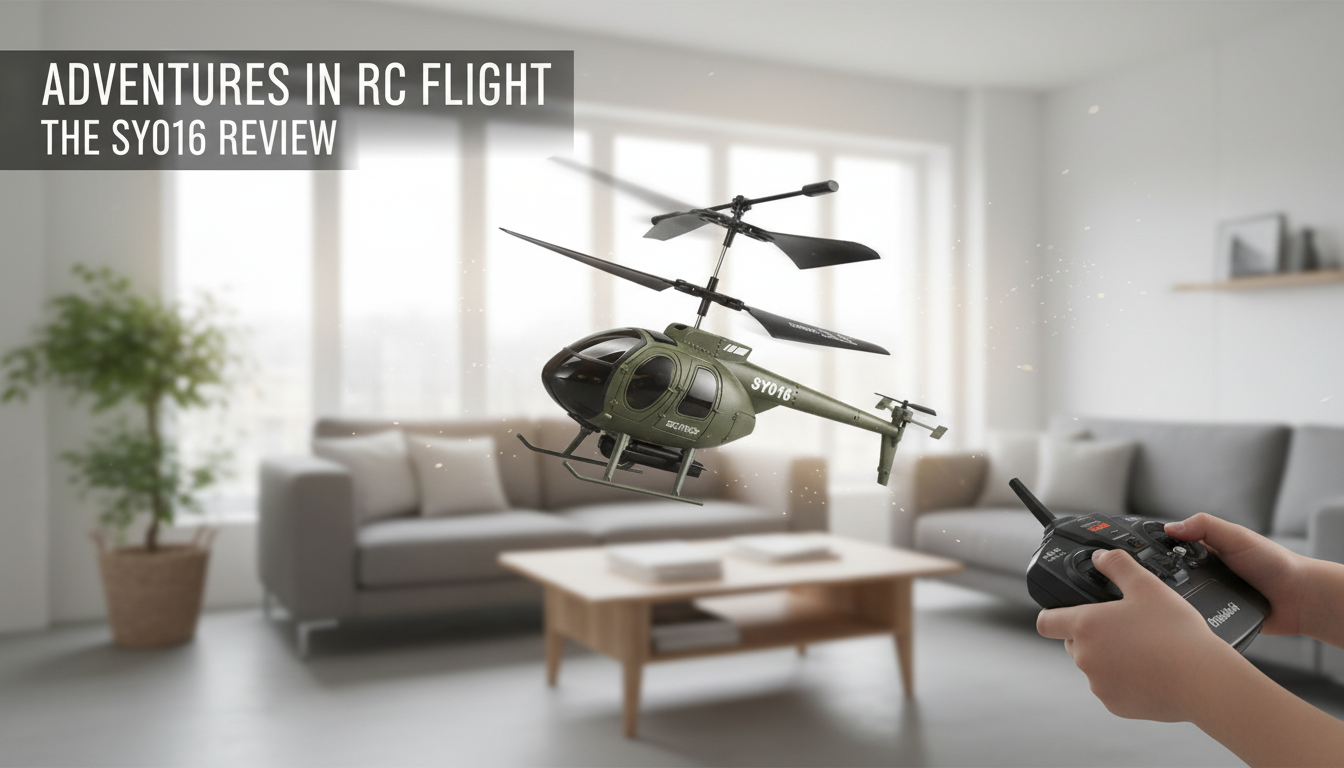
4CH LED RC Helicopter with 4K Camera & Altitude Hold: A Practical Guide for Adult Beginners
A camera-equipped RC helicopter can be a relaxing way to learn flight basics and capture casual aerial clips without jumping into complex hobby gear. This 4-channel LED RC helicopter pairs an on-board 4K camera with altitude hold to help keep flights steadier, making it a solid pick for adults who want an approachable, feature-rich remote control flyer.
What This RC Helicopter Is Designed To Do
This model is built for easy, confidence-building flights—especially for adults who want more control than ultra-basic toys, without the extra setup and tuning that advanced hobby aircraft can require.
- Provide straightforward indoor/outdoor flying with 4-channel control (directional movement plus yaw/turning).
- Help maintain a consistent hover using altitude hold, reducing constant throttle corrections.
- Capture casual photos and videos from the built-in 4K camera for fun flight memories.
- Improve visibility and orientation with LED lighting, especially in dim rooms or late afternoon light.
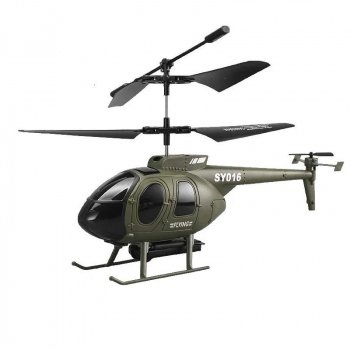
If you want to jump straight to the product details, see: 4CH LED RC Helicopter with 4K Camera & Altitude Hold for Adults – Remote Control Drone.
Key Features That Matter Most
When adult beginners struggle with RC helicopters, it’s usually because of workload: too much to manage at once. The combination of 4-channel control and altitude hold reduces that workload while still giving you real maneuvering practice.
- 4-channel control: gives more maneuverability than basic 2-channel toys, enabling smoother turns and positioning.
- Altitude hold: helps stabilize vertical position for more controlled hovering and easier camera framing.
- 4K camera: intended for casual aerial footage and snapshots; best results come from steady, slower movement.
- LED lights: aid orientation (knowing which way the nose is pointing) and add visual appeal during flight.
Quick Feature Snapshot
| Feature | Why it helps | Best-use tip |
|---|---|---|
| 4CH control | More precise movement and turning | Start with wide, gentle turns before tight circles |
| Altitude hold | Easier hovering and smoother filming | Trim to stable hover, then practice slow forward flight |
| 4K camera | Capture clips and photos from the air | Fly slower and avoid sudden yaw spins for clearer footage |
| LED lighting | Improves visibility and orientation | Use LEDs to confirm nose direction before takeoff |
Camera Use: Getting Clearer Clips and Photos
The simplest way to get better footage is to fly like you’re filming—even if you’re only recording for fun. Smooth inputs beat fast maneuvers every time on compact aircraft.
- Stability first: altitude hold is most helpful when keeping the helicopter steady for short hover shots.
- Avoid fast yaw spins: quick rotations can blur footage; practice smooth, gradual turns instead.
- Choose calmer conditions: even light wind can push small aircraft around; film in sheltered areas or indoors.
- Plan simple shots: short passes, gentle rises, and stationary hovers typically look better than aggressive maneuvers.
A helpful routine is “hover, slow push forward, pause, slow turn, hover.” Those pauses give the camera time to capture frames that look steady rather than frantic.
Altitude Hold and Flight Control Basics
Altitude hold is a major comfort feature, but it doesn’t replace pilot input. Think of it as removing one constant task (micro-adjusting throttle) so you can focus on direction and orientation.
- Altitude hold reduces workload by helping maintain height, but horizontal drift can still happen and needs stick correction.
- Use a gradual throttle approach on takeoff: increase power smoothly to prevent sudden jumps.
- Practice hovering at eye level first to build muscle memory for small corrections.
- Keep the helicopter facing away during early flights—left/right controls feel more intuitive that way.
For many beginners, the “click” moment comes when you stop chasing big movements. Small, gentle corrections usually fix drift faster than large stick swings.
Where It Flies Best (Indoors vs Outdoors)
Choosing the right environment matters as much as the features. A stable hover is easier when airflow and obstacles are controlled.
- Indoors: best for learning controls—use a larger room, avoid ceiling fans, and keep distance from lamps and shelves.
- Outdoors: pick a low-wind day and a wide open area; avoid trees, power lines, and crowded spaces.
- Surface awareness: take off from a flat, stable surface to reduce tip-overs and improve initial control.
- Visibility: LEDs help, but maintaining line-of-sight is still important for safe control.
For broader safety guidance when flying any camera-equipped aircraft outdoors, review the FAA’s recreational safety resources: FAA — Recreational Flyers & Drone Safety.
Setup, Charging, and First-Flight Checklist
First-Flight Checklist
| Step | What to check | Why it matters |
|---|---|---|
| Charging | Battery fully charged; connectors seated | Reduces sudden power loss and improves control |
| Pre-flight | Rotor area clear; frame intact | Prevents jams and unstable flight |
| Control test | Throttle/turn/direction respond correctly | Avoids surprises right after takeoff |
| Flight area | Open space, low wind, no obstacles | Improves safety and reduces crash risk |
| Landing plan | Clear landing zone chosen | Prevents last-second collisions |
One extra practical note: electronics that transmit radio signals are typically covered by authorization rules; for general background on compliant radio equipment, see FCC — Equipment Authorization (Radio Devices).
Safety and Care for Longer Life
Who This Model Fits Best
For an additional easy indoor activity that pairs well with “stay-at-home fun” gifting, consider: Interactive Soccer Table Game for Kids.
FAQ
Does altitude hold mean the helicopter will stay perfectly still?
No. Altitude hold helps maintain height, but the helicopter can still drift left/right or forward/back due to airflow and control inputs, so small corrections are normal.
Is the 4K camera suitable for smooth cinematic footage?
It’s best for fun, casual clips and photos. Smoother results typically come from slow flight, gentle turns, and filming in low-wind or indoor conditions.
Can it be flown indoors safely?
Yes, with precautions: use a spacious room, remove breakable obstacles, keep away from people and pets, avoid fans, and start with low-speed hovering until you’re comfortable.












Leave a comment