Balenciaga-Inspired Style Checklist: Proportions to Logos
How Balenciaga Shapes Modern Style: An Ultimate Checklist for Trendsetters
Balenciaga’s influence shows up in the details: silhouette, proportion, logos, footwear bulk, and the polished-not-polished styling that keeps streetwear and luxury moving in the same direction. Use this checklist to spot the brand’s fingerprints across everyday outfits, runway-to-retail trends, and the subtle choices that make a look feel current rather than costume. For more guidance, see [PDF] Volume 5, Issue 5, Late Autumn 2021 – The Journal of Dress History.
The Balenciaga effect in one glance
If a look feels “modern” before you can explain why, odds are the proportions are doing the heavy lifting. Balenciaga-coded styling is less about copying a specific piece and more about building a recognizable outline: big shoulders, long sleeves, boxy outerwear, and footwear that changes posture from the ground up. For further reading, see [PDF] Year In Review 2011–2012 – Bard Graduate Center.
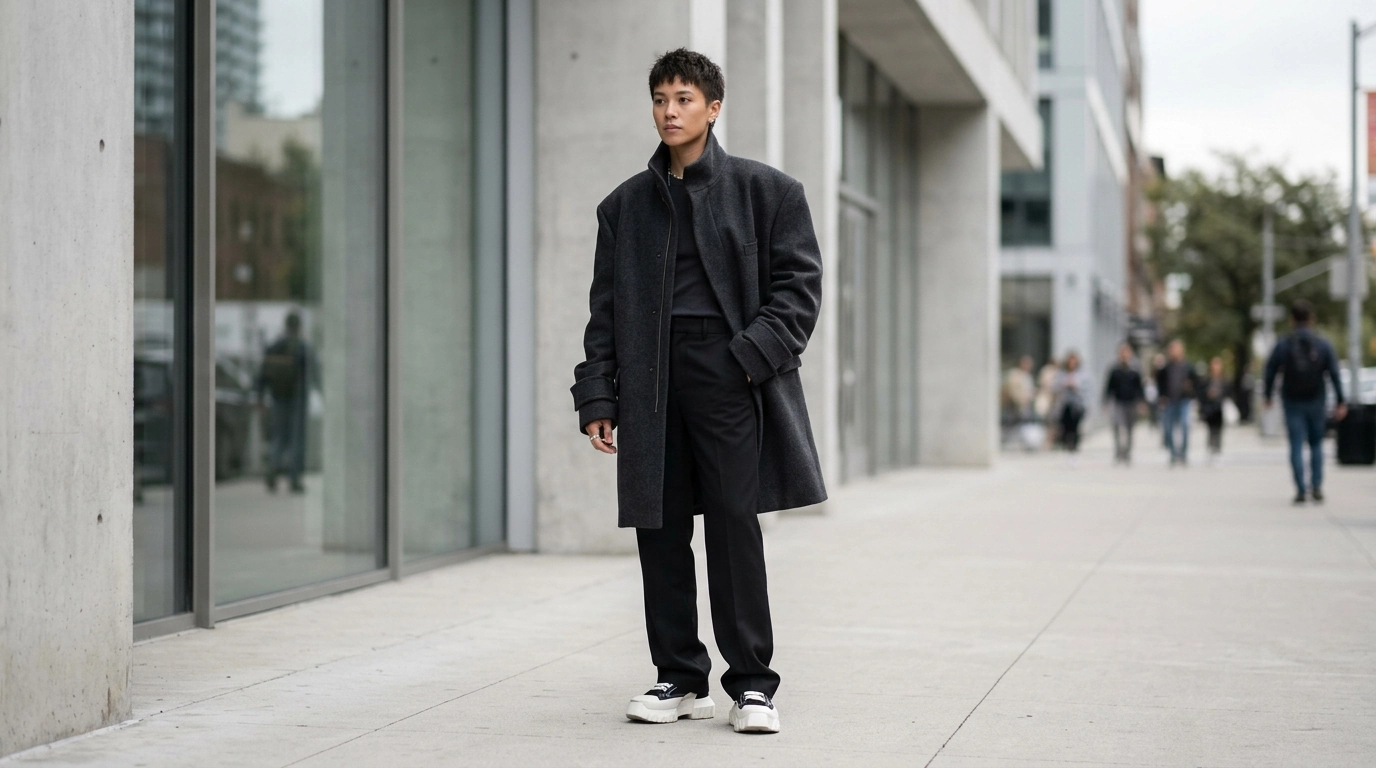
- Proportions first: oversized outerwear, extended shoulders, long sleeves, and roomy legs that change how the body reads at a distance.
- “Ugly-chic” tension: deliberately awkward shapes or utilitarian elements styled with premium finishing.
- Logo and typography as design: bold, straightforward branding that can be either the focal point or a deliberate clash.
- Footwear as architecture: chunky soles and exaggerated profiles that set the stance of the whole outfit.
- High-low styling: luxury pieces paired with basics (hoodies, tees, denim) without losing a sharp silhouette.
- Irony and normcore references: familiar items pushed into fashion through scale, material, or context.
Checklist: Balenciaga-coded signals to look for
| Signal | What it looks like | Easy way to wear it |
|---|---|---|
| Oversized outerwear | Boxy coat, puffer, or blazer with dropped shoulder | Keep the base slim or straight to avoid full-volume overload |
| Exaggerated footwear | Chunky sneaker or heavy boot that widens the silhouette | Let shoes anchor a minimal outfit (tee + trousers) for instant impact |
| Logo minimalism | Clean wordmark, centered placement, high contrast | Pair with quiet textures (wool, denim) to avoid looking overly branded |
| Utility cues | Cargo pockets, straps, technical fabrics, sporty trims | Limit to one utility item and keep the rest refined |
| Longline layers | Extended tees, long sleeves peeking from under knits | Use tonal layering to keep it intentional |
| Monochrome + one disruption | All-black/neutral outfit with one loud accessory | Choose disruption by shape (big bag) or color (neon accent), not both |
Silhouette rules that drive the look
When the silhouette is right, everything else becomes easier. Start by deciding what’s “loud” (shape) and what’s “quiet” (supporting basics). The result should read intentional from across the room.
- Start with a single exaggerated element: shoulders, length, or volume—then build supporting pieces around it.
- Balance math: if the top is oversized, choose straight or tapered bottoms; if bottoms are wide, choose a fitted or cropped top layer.
- Create structure with fabric: stiff denim, coated cotton, wool, or technical textiles hold the intended shape better than drapey knits.
- Aim for a strong outline from 10 feet away: clean blocks of color, defined hem lengths, and footwear that changes posture.
A quick shortcut: treat the outfit like a poster—two or three big shapes, no fussy transitions. That’s why a boxy coat over a clean tee and straight pants can look more “designed” than a complicated layered fit.
Footwear and stance: the quiet engine of the outfit
Footwear is the fastest way to change the attitude of an outfit without changing much clothing. Chunky soles don’t just add height—they shift balance, alter pant drape, and make the whole look feel heavier and more directional.
- Chunky shoes change proportions above them; trousers often look best with a longer break or stacked hem.
- Boots and heavy sneakers work with straight, wide, or slightly cropped pants; avoid overly skinny cuts that feel dated with bulky soles.
- Socks become part of the design: tone-on-tone for polish, contrast for street emphasis.
- Keep the rest simpler when footwear is extreme; the point is silhouette, not noise.
Branding, typography, and the “plain but expensive” aesthetic
The modern “plain but expensive” vibe comes from restraint: fewer competing messages, cleaner typography, and materials that look substantial. A logo doesn’t need to be huge to read as confident; it needs space around it and a supporting outfit that doesn’t argue back.
- Choose one message area: chest logo, bag logo, or hat—stacking multiple logos can shift from intentional to cluttered.
- Typography-forward pieces pair well with minimal jewelry and clean grooming for a modern, graphic finish.
- Let materials do the work: heavyweight cotton, crisp poplin, and structured leather read elevated even in basic shapes.
- Use contrast strategically: a simple logo tee under a tailored coat delivers high-low without looking like a mashup.
Color and styling codes that feel current
Trendsetters’ checklist: build a look in 10 minutes
Common missteps and quick fixes
A collectible checklist for outfit planning
In-stock picks to help you build the look
- How Balenciaga Influences Every Fashion Move – Ultimate Checklist for Trendsetters
- Etro High-Waisted Silk Floral Pants
FAQ
What makes a look feel “Balenciaga-influenced” without copying a runway outfit?
Prioritize proportion—oversized or elongated shapes—then add one strong element like chunky footwear or a clean logo, keeping everything else minimal. Structured fabrics and a neutral palette help the outfit feel modern rather than theatrical.
How can oversized pieces look intentional instead of sloppy?
Limit volume to one area (top or bottom), choose structured materials, and keep hems and sleeve lengths clearly deliberate. Balance with straighter pieces elsewhere so the silhouette reads designed, not accidental.
Are chunky sneakers still wearable with today’s silhouettes?
Yes—pair them with straight or wide-leg trousers and slightly longer hems for a cohesive proportion. Keep the top layer simpler and avoid very skinny pants that visually fight the bulk of the sole.









Leave a comment