2L Commercial-Grade Smoothie Blender for Meal Prep
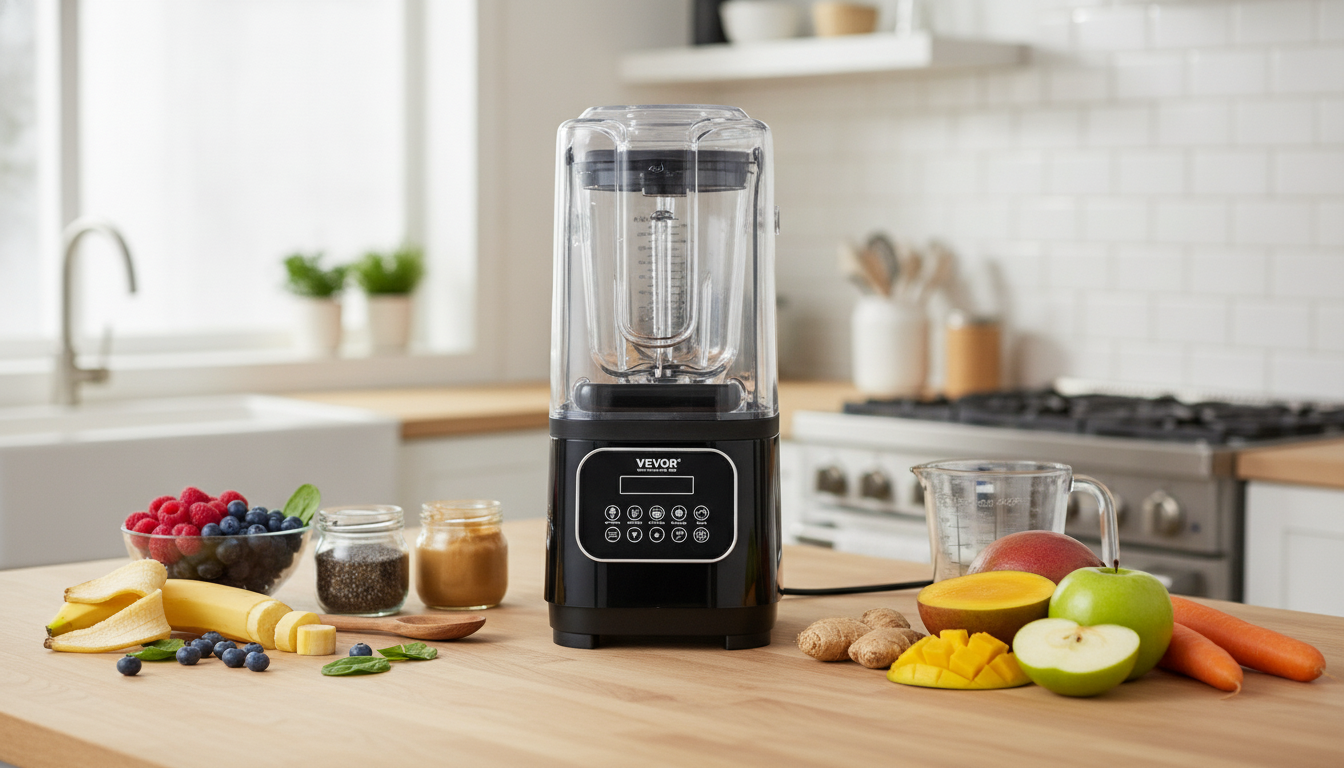
2L Smoothie Blender Commercial Grade Food Processor: Power, Capacity, and Everyday Versatility
A high-power blender with a large jar can simplify everything from smoothies and frozen drinks to sauces, nut butters, and meal prep. This guide breaks down what to look for in a commercial-grade style blender/food processor combo, how it performs in real kitchen tasks, and how to use and care for it to keep results consistent.
What Makes a Blender Feel “Commercial Grade” at Home
“Commercial grade” isn’t just a label—it’s a set of performance traits you can feel in daily use, especially when you push past thin shakes and start blending thicker, colder, or more fibrous ingredients.
- Motor strength under load: A capable motor keeps blade speed steady when you add ice, frozen fruit, or dense mixtures like hummus. That steady speed is what turns “mostly blended” into reliably smooth.
- Real batch capacity: A 2L jar means fewer refills and fewer partial blends. It’s the difference between making one family-sized smoothie and making three small ones back-to-back.
- Durable blade and drive system: Repeated blending cycles (especially thick blends) demand sturdy components. A solid drive connection and sharp blades reduce stalling and improve texture.
- Controls that match the task: Pulse for chopping, controlled ramp-up for smoothies, and sustained blending for ultra-smooth sauces. Being able to switch quickly helps you avoid over-processing.
Product Snapshot: 2L Smoothie Blender Commercial Grade Food Processor
The 2L Smoothie Blender Commercial Grade Food Processor is built around a high-capacity jar that supports multiple servings in one run. It’s designed for smoothies but also fits food-prep tasks like purees, emulsified sauces, and thicker blends where consistency matters.
- 2-liter jar capacity supports larger batches for families and entertaining.
- Versatile use across drinks and food-processing style prep (purees, sauces, dips).
- One-appliance workflow for kitchens that want fewer gadgets on the counter.
- Technique-forward results: loading order, pulsing, and run time make a noticeable difference in texture.
At-a-glance fit for common kitchen tasks
| Task | What to load first | Goal texture | Technique tip |
|---|---|---|---|
| Smoothies (fresh fruit) | Liquid | Silky | Start low, then increase speed for 30–60 seconds |
| Smoothies (frozen fruit/ice) | Liquid + soft ingredients | Thick, spoonable | Use pulse to break up, then run until vortex forms |
| Soups (cooked vegetables) | Warm broth/water | Creamy | Blend in batches; vent lid as needed for steam |
| Sauces & dressings | Liquids + aromatics | Emulsified | Short bursts first, then steady blend |
| Nut butters | Nuts | Smooth with some texture | Pause to scrape sides; allow motor cool-down breaks |
Capacity and Workflow: Why 2L Changes Meal Prep
A 2L jar upgrades your routine in a way that’s hard to appreciate until you’ve lived with it for a week. The payoff isn’t only volume—it’s speed, consistency, and fewer half-finished leftovers.
- Fewer batches: family-sized smoothies, pancake batter, and soup purees come together in one run instead of two or three.
- More consistent texture: blending everything at once avoids the “first batch is smooth, second batch is chunky” problem.
- Entertaining made easier: frozen cocktails, mocktails, and blended coffee drinks scale up without constant stopping and refilling.
- Simple batch-prep ideas: portion smoothie base packs, blend sauce starters (tomato base, pesto-style mixes), or prep vegetable purees you can turn into quick weekday sides.
When you do larger batches, store and reheat safely—especially for soups and cooked blends. The USDA’s food safety guidance on cooling and leftovers is a solid reference for timing and storage basics.
USDA Food Safety and Inspection Service: Leftovers and Food Safety
Texture Control: Getting the Results You Actually Want
Power matters, but technique is what turns “blended” into the exact texture you intended. A few small habits can make thick blends smoother and chunky blends stay pleasantly chunky.
- Ultra-smooth blends: use enough liquid to form a visible vortex; add powders last so they don’t stick to the sides and clump.
- Chunky salsas/relishes: rely on quick pulses and stop early. If you run continuously, fresh ingredients can turn into a uniform puree fast.
- Thick bowls (acai-style): pulse, pause, and stir/tamp as needed. Avoid running dry for long periods—thick blends do best with short cycles and resets.
- Crushed ice: pulse first to break big cubes, then blend briefly. Over-blending can warm ice into a slushy texture.
If smoothies are a daily habit, it’s also helpful to balance them like a meal—protein, fiber, and healthy fats can keep them satisfying. For general nutrition context, see: Cleveland Clinic: Smoothies—Are They Good for You?
Food Processor-Style Uses Beyond Smoothies
Cleaning and Daily Care (Fast, So It Actually Gets Done)
Safety and Smart Operating Habits
Who This Blender Setup Suits Best
More In-Stock Picks to Round Out Your Home Setup
- 2L Smoothie Blender Commercial Grade Food Processor
- Professional 1875W Hair Dryer with Negative Ions & Brushless Motor for Fast Drying
FAQ
Can it handle ice and frozen fruit without leaving chunks?
Yes—load liquid first, add softer ingredients next, and keep ice/frozen fruit on top so the blades can pull everything down into a vortex. Pulse a few times to break up large pieces, then run steadily; using enough liquid and avoiding overfilling helps prevent stubborn chunks.
Is a 2L jar too big for single servings?
No—single servings can blend well in a larger jar as long as there’s enough liquid to keep ingredients circulating. If the ingredients spread thinly, stop once or twice to scrape down the sides and re-center the mixture.
How should hot soup be blended safely?
Blend hot soup in smaller batches, start at low speed, and vent carefully to release steam while keeping your hands protected. Don’t fill the jar to the top; headspace reduces pressure and helps prevent splashes.













Leave a comment