Cozy Stroller & Car Seat Cushion Pad: Fit, Care, Safety
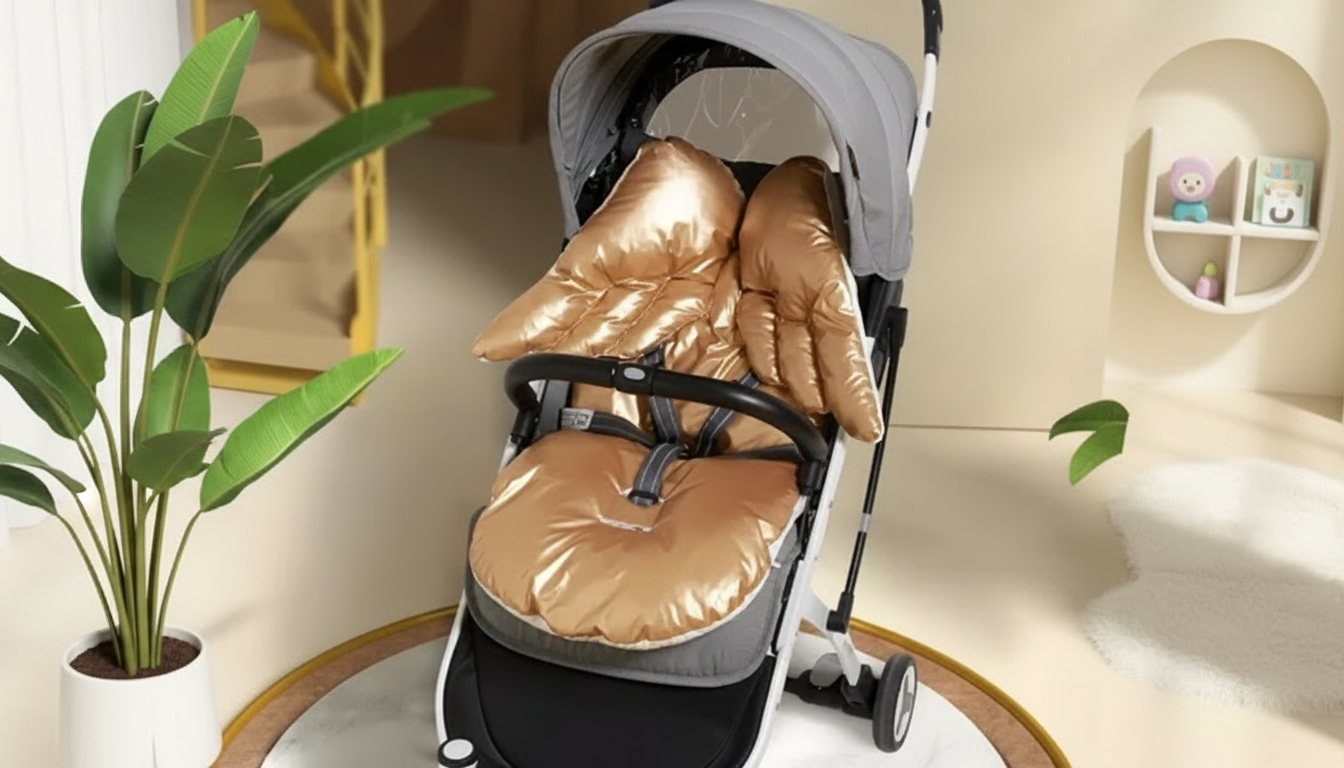
Cozy Comfort for Everyday Rides: Infant Stroller & Car Seat Cushion Pad
A supportive cushion pad can make short errands and longer outings more comfortable for babies while helping keep strollers and infant carriers cleaner. The key is choosing a pad that feels soft, fits well, and is used in a way that doesn’t interfere with harness fit or manufacturer guidance—especially when a car seat is involved.
What a Cushion Pad Does (and What It Doesn’t)
A stroller or infant seat cushion pad is best thought of as a comfort-and-cleanliness layer. It can make daily rides feel smoother while protecting the original seat fabric from routine wear.
- Adds a softer, warmer layer between baby and the seat to reduce irritation from seams and buckles.
- Helps manage minor messes and everyday wear by taking the brunt of spills and crumbs.
- Can improve perceived comfort on firm stroller seats and during cooler weather.
- Does not replace correct harness adjustment, proper recline, or approved inserts that come with a car seat.
For car travel, safety fundamentals still come first. For practical guidance, the American Academy of Pediatrics (AAP) and the NHTSA both emphasize correct installation and proper harness fit as the priorities.
Comfort Features to Look For
The best cushion pads feel cozy without getting bulky. A little padding can help with pressure points, but too much thickness can cause bunching or make positioning feel less stable.
- Gentle, skin-friendly fabric that won’t feel scratchy against bare legs and arms.
- Light cushioning that smooths pressure points without making the seating area overly thick.
- Breathability to help reduce overheating during indoor errands or mild weather.
- Stable shape that stays put when baby kicks or shifts, minimizing bunching under the back.
If baby often falls asleep on walks or car rides, pay special attention to how the pad supports the upper back and sides without pushing the head forward.
Fit and Compatibility: Strollers vs. Infant Car Seats
Fit requirements can be very different depending on where the pad is used.
Stroller fit basics
- Stroller use is typically more flexible; prioritize wide coverage and easy installation/removal.
- A pad that lays flat and doesn’t curl at the edges tends to look neater and feel more stable.
- If the pad slides around easily, look for designs that anchor cleanly to the seat and resist bunching.
Infant car seat fit basics
- For infant car seats, confirm the pad does not block harness routing, buckle access, or the ability to tighten snugly.
- Avoid anything that changes how the harness sits on the baby’s shoulders, chest, hips, or between the legs.
- If the pad shifts easily, it may lead to slouching or awkward posture—look for designs that align with harness openings where applicable.
When deciding whether a pad works for your specific infant carrier, the car seat manual is the tie-breaker. If the manual doesn’t allow added accessories, reserve the pad for stroller use.
Safety Notes for Car Seat Use
Comfort should never come at the expense of harness fit. If a pad adds thickness behind the baby, straps may feel tight while still being too loose at the body—so it’s important to double-check snugness.
- Follow the car seat manual first; some manufacturers restrict “aftermarket” inserts or pads that did not come with the seat.
- If a pad adds thickness behind the baby, it may affect harness snugness; the harness should still pass the pinch test at the collarbone area.
- Keep the chest clip at armpit level and ensure straps lay flat without twists.
- When in doubt, use the pad in the stroller and use only the inserts that came with the infant car seat.
Also consider seasonal clothing. Puffy coats and thick layers can interfere with harness fit; a light, removable comfort layer in the stroller is often a simpler choice than adding bulk inside the car seat.
Care and Cleaning for Daily Use
A cushion pad earns its keep when it’s easy to clean. Between spit-up, snack dust, and the occasional diaper leak, a washable layer can help keep the main seat fabric looking fresher.
- Choose a pad that can be cleaned frequently to keep skin oils, spit-up, and snack residue from building up.
- Spot-clean right after messes to prevent staining and lingering odor.
- Allow the pad to dry completely before reinstalling to avoid mildew smells and damp contact against clothing.
- Rotate between two pads if the stroller or carrier is used daily, so one can dry while the other is in use.
Quick Specs and Buying Checklist
Product Snapshot
| Item | Details |
|---|---|
| Product | Cozy Infant Stroller & Car Seat Cushion Pad |
| Price | $43.51 USD |
| Availability | In stock |
| Use cases | Stroller seating comfort; potential infant carrier use if compatible with the specific car seat manual |
| Care focus | Designed for frequent cleaning and daily wear management |
Cozy Infant Stroller & Car Seat Cushion Pad: Best-Fit Scenarios
More In-Stock Picks (Popular Add-Ons)
- Interactive Soccer Table Game for Kids (a fun at-home activity for older siblings during downtime)
- Professional 1875W Hair Dryer with Negative Ions & Brushless Motor for Fast Drying (a time-saver for busy mornings)
FAQ
Can a cushion pad be used in any infant car seat?
Not always. Check the car seat manual for guidance on inserts and aftermarket products, and confirm the pad won’t block harness routing or keep the straps from tightening snugly.
How can comfort be improved without compromising harness fit?
Keep padding minimal behind the baby, make sure the straps lay flat, and confirm the harness passes the pinch test at the collarbone. If your seat requires specific inserts, use only the ones provided or approved by the manufacturer.
How often should a stroller cushion pad be cleaned?
Clean it as needed for spills and routinely with frequent use. Spot-clean right after messes and let it dry fully before reinstalling so it stays fresh and comfortable.














Leave a comment