Warm Hands on Winter Rides: Windproof Cycling Mitts
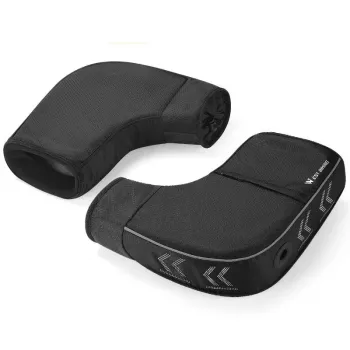
Cycling Handlebar Mitts – Windproof Thermal Bike Hand Covers for Cold Rides
Cold wind across the bars can numb fingers fast, even with thick gloves. Handlebar mitts create a warm, sheltered pocket around the grips and levers, cutting windchill and helping hands stay responsive for braking and shifting. This guide breaks down how windproof thermal hand covers work, what to look for, and how to set them up for comfortable winter commuting and long-distance riding.
When temperatures drop, it helps to remember that perceived cold is often driven by moving air. The National Weather Service wind chill chart shows how quickly “feels like” temps fall as speed and wind increase, which is exactly what cycling creates even on a calm day (National Weather Service Wind Chill Chart).
What handlebar mitts do (and why they feel warmer than gloves alone)
Handlebar mitts (sometimes called pogies) cover the controls so your hands sit inside a protected chamber instead of fighting direct airflow. That change—blocking convection—often delivers more warmth than simply adding thicker glove insulation.
- Block direct wind on the backs of hands and around the brake hoods/flat-bar grips, reducing windchill during descents and headwinds.
- Trap a stable layer of warm air so lighter gloves can be used while keeping dexterity for shifting and braking.
- Shield controls from rain, sleet, and road spray, helping levers stay easier to operate in bad weather.
- Reduce the need for bulky insulation on the hand itself, which can improve feel at the bars and decrease hand fatigue on longer rides.
- Work especially well for commuting and steady endurance riding where hands stay on the bars most of the time.
Quick comparison: handlebar mitts vs. winter gloves vs. heated gloves
| Option | Warmth in wind | Dexterity | Best for | Trade-offs |
|---|---|---|---|---|
| Handlebar mitts + thin gloves | High | High | Commuting, endurance rides, wet/cold wind | Slightly bulkier cockpit; takes a few minutes to install |
| Heavy winter gloves | Medium | Medium–Low | Short rides, mixed hand positions | Can feel clumsy on shifters/levers; sweat buildup |
| Heated gloves | High | Medium | Very low temps, riders with circulation issues | Battery management, higher cost, limited runtime |
Highlights to look for in windproof thermal bike hand covers
The best handlebar mitts feel “invisible” once mounted: hands slide in easily, the opening stays put, and the levers pull cleanly. These details usually matter more than simply adding thickness.
- Windproof outer shell to prevent convective heat loss at speed, especially on exposed routes.
- Thermal lining that stays warm when temperatures drop and reduces the “cold soak” feeling on long rides.
- Weather resistance (water-repellent fabric and protected openings) to handle mist, rain, and road spray.
- A stable opening that holds shape so hands can enter/exit quickly without looking down.
- Secure attachment points that minimize flap and keep coverage centered over the controls.
- Visibility details (reflective accents or bright panels) for early-morning and evening rides.
If you regularly ride in freezing rain or slush, consider how you’ll dry the inside between rides; damp insulation can feel colder than thin insulation. For broader guidance on cold exposure and staying safe in low temperatures, review CDC/NIOSH cold stress resources.
Fit and compatibility: flat bars, drop bars, and lever access
Warmth is only useful if braking and shifting stay natural. Fit and clearance determine whether mitts feel confidence-inspiring or awkward.
- Confirm the mitts are designed to cover the bar area where hands spend the most time (grips on flat bars; hoods/drops on drop bars).
- Check clearance around brake and shift levers so fingers can fully pull the lever without rubbing the fabric.
- For drop bars, ensure the mitt opening aligns with the hood position and does not collapse when transitioning between hoods and drops.
- For flat bars, verify the mitt does not interfere with thumb shifters, bell mounts, or remote lockout levers.
- Consider bar-end mirrors, large computer mounts, and lights—plan placement so the mitts can sit flush and secure.
A quick garage test helps: mount the mitts, then repeatedly brake hard (front and rear) and run through all gears while seated and standing. If anything feels restricted, reposition before the first cold commute.
Setup tips for a warmer, safer ride
Small setup choices make a big difference in both comfort and control—especially when temperatures hover near freezing and conditions change during the ride.
Dry gear matters as much as warm gear. If you frequently finish rides with damp liners, a fast-drying tool at home can help reduce next-day chill; the Professional 1875W Hair Dryer with Negative Ions & Brushless Motor for Fast Drying is a practical option for drying glove liners, hat brims, and other small kit pieces before your next ride.
When handlebar mitts make the biggest difference
For overall on-road visibility and safety habits (especially as winter daylight shrinks), it’s worth reviewing general cycling safety guidance from the Bicycle Helmet Safety Institute.
Featured option: Cycling Handlebar Mitts – Windproof Thermal Bike Hand Covers
For riders who want warmer hands without sacrificing control feel, Cycling Handlebar Mitts – Windproof Thermal Bike Hand Covers are designed to create a sheltered pocket around the grips and levers for cold-weather comfort.
FAQ
Do handlebar mitts replace winter gloves?
Most riders still wear a thin glove inside mitts for comfort, sweat control, and protection when hands come off the bars. Mitts dramatically reduce windchill, but in extreme cold you may still need thicker gloves or additional insulation.
Are handlebar mitts safe for braking and shifting?
They’re safe when fit and positioned correctly: levers should pull through their full range without fabric contact, and the opening should stay stable during hand entry and exit. Test braking and shifting repeatedly before riding in traffic.
How cold is “too cold” for handlebar mitts?
It depends on speed, wind, moisture, and circulation, but mitts typically extend comfort well into near-freezing conditions by blocking wind. In very low temperatures, consider thicker liner gloves, shorter exposure, or heated solutions if hands still go numb.















Leave a comment