6-Mode Sonic Electric Toothbrush: USB & Travel Case Guide
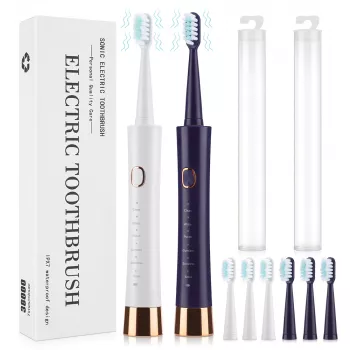
Adult Sonic Electric Toothbrush with 6 Modes, Travel Case, and USB Rechargeable Convenience
A sonic electric toothbrush can make daily brushing feel simpler and more consistent—especially when it includes multiple modes, a built-in timer, and travel-friendly charging. This guide breaks down what the different modes are for, how to use them effectively, and what to look for in a travel-ready handle and case.
What makes a sonic electric toothbrush different
Sonic brushing uses high-frequency vibrations to help move bristles quickly across tooth surfaces and along the gumline. The goal is more consistent coverage with less manual scrubbing—especially helpful for anyone who tends to rush, miss back molars, or press too hard with a manual brush.
Many sonic models also include a two-minute timer and pacing pulses, which can nudge you to spend equal time in each quadrant of your mouth. Research has found powered toothbrushes can reduce plaque and gingivitis more than manual brushing for many users when used correctly; for background reading, see the Cochrane Review on powered versus manual toothbrushes.
Understanding the 6 brushing modes and when to use each
Mode options aren’t just “extra features”—they can make a toothbrush feel more comfortable day-to-day while still supporting thorough cleaning. The key is matching the mode to what your mouth needs that day, rather than defaulting to the most intense setting every time.
- Daily clean: The standard choice for most routines—aimed at regular plaque removal and overall freshness.
- Sensitive or gentle: Designed for tender gums, new electric-toothbrush users, or post-dental work (follow dentist guidance).
- Gum care or massage: Focuses on the gumline with a softer feel—useful if gums feel irritated from overbrushing.
- Whitening or polish: Typically a more intensive setting intended to help lift surface stains from foods and drinks over time.
- Deep clean: Longer or more intense cycles intended for a more thorough session (often helpful at night).
- Tongue or fresh breath mode: Intended for tongue cleaning; use light pressure and rinse afterward.
Mode quick guide
| Mode | Best for | Simple tip |
|---|---|---|
| Daily Clean | Everyday brushing | Hold at a 45° angle near the gumline and let the brush do the work |
| Sensitive | Tender teeth/gums | Use minimal pressure; stop if discomfort persists |
| Gum Care | Gumline focus | Trace the gumline slowly rather than scrubbing |
| Whitening | Surface stain reduction | Use consistently; avoid pressing harder to “whiten faster” |
| Deep Clean | More thorough sessions | Great for nighttime; don’t exceed recommended cycle time |
| Tongue/Fresh Breath | Tongue cleaning | Light touch; rinse mouth and brush head after |
Travel case and USB recharging: what matters on the go
A travel case does more than make packing tidy—it helps protect bristles from contacting other items in your toiletry bag and can reduce the chance of the handle turning on accidentally mid-flight or mid-commute. Look for a case that closes securely, fits the handle without crushing the bristles, and is easy to wipe clean after trips.
USB charging can be a major convenience because it pairs with the power sources you already carry: a wall adapter, power bank, laptop, or car charger. Before packing, fully dry the brush head, store it so bristles aren’t pressed flat, and keep the charging port area clean and lint-free. If you travel often, keeping a dedicated USB cable in your toiletry kit can save you from the “forgot the charger” moment.
How to brush effectively with a sonic handle (without overdoing it)
Technique matters—even with a powerful handle. A simple routine tends to feel better on gums and produces more consistent results over time.
- Use a pea-sized amount of fluoride toothpaste and start with the brush in your mouth to reduce splatter.
- Guide slowly tooth-by-tooth; spend extra time along the gumline and on the back molars where plaque likes to hide.
- Let the bristles do the work—pressing harder can irritate gums and can make brushing less comfortable.
- Follow the built-in timer and any quadrant pacing pulses for an even two-minute routine.
- If switching from a manual brush, start with a gentler mode for the first few days, then adjust as your mouth acclimates.
For general toothbrush guidance, the American Dental Association’s toothbrush resource is a helpful reference point for brushing basics and replacement timing.
Care, brush head replacement, and hygiene tips
Keeping a sonic toothbrush clean is straightforward, but small habits make a big difference—especially if the brush spends time in a closed case.
For broader oral health basics beyond brushing, the CDC’s adult oral health overview offers practical context on daily habits and preventive care.
Who this toothbrush setup tends to suit best
Product options to consider
- Adult Sonic Electric Toothbrush 6 Modes with Travel Case – USB Rechargeable: a compact, travel-ready setup with multiple brushing modes, a protective case, and USB charging convenience.
- Professional 1875W Hair Dryer with Negative Ions & Brushless Motor for Fast Drying: a useful add-on for travel or gym bags when you want faster drying and a smoother finish as part of a simple on-the-go routine.
FAQ
Which toothbrush mode should be used every day?
Daily clean works well for most brushing sessions. If you notice tenderness, switch to sensitive or gum care, and use whitening or deep clean more selectively rather than at every brushing.
How often should brush heads be replaced on a sonic electric toothbrush?
Replace brush heads about every 3 months, or sooner if the bristles fray or splay. It’s also smart to replace the head after being sick since worn or contaminated bristles can reduce cleaning efficiency.
Can a USB rechargeable toothbrush be charged with a power bank?
In many cases, yes—USB rechargeable designs are often compatible with a standard power bank. Use a reliable power source, keep the charging area dry, and follow the included charging instructions for best results.















Leave a comment