Electric Waffle Maker Tips for Crisp, Even Batches
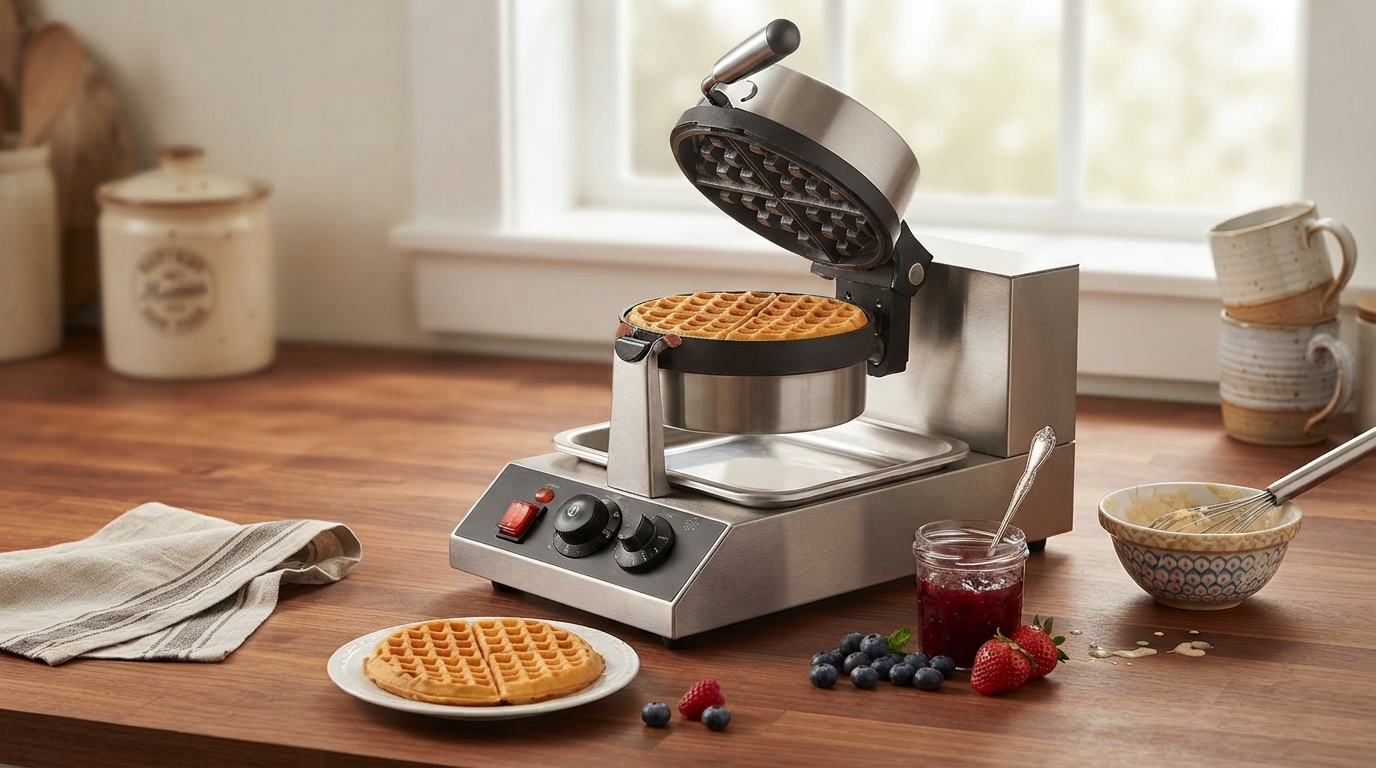
An electric waffle maker can turn a quick batter into golden, evenly cooked waffles with less guesswork than stovetop methods. The difference between “fine” waffles and crisp, evenly browned waffles usually comes down to a few practical details—heat stability, plate design, steam release, and simple habits that keep results consistent batch after batch.
What an electric waffle maker does well
- Delivers steady heat from both sides for even browning and consistent rise.
- Reduces timing uncertainty with indicator lights and temperature controls on many models.
- Handles repeat batches more reliably once the plates and housing are fully preheated.
- Supports more than breakfast: hash-brown waffles, cinnamon roll waffles, and savory batters.
Because heat surrounds the batter, the exterior sets quickly and the interior cooks through without frequent flipping. That predictability is especially helpful when serving a group—once you’ve dialed in the setting and timing, the next waffles usually match the first.
Features that change the waffle outcome
- Plate style and depth: deeper grids hold more batter and create thicker waffles; shallower grids cook faster and crisp quicker.
- Temperature control: adjustable heat helps balance a crisp exterior with a tender center across different batters.
- Nonstick surface: improves release and reduces oil needs; avoid metal tools to preserve coating.
- Steam management: vents and lid fit affect moisture escape; better venting typically improves crispness.
- Indicator system: ready-to-bake and ready-to-eat signals reduce undercooking and overbrowning.
- Build and hinge: sturdy hinges and a balanced lid help spread batter evenly without forcing it out the sides.
Common electric waffle maker options and what they’re best for
| Option | Best for | Trade-offs |
|---|---|---|
| Adjustable browning control | Dialing in crispness for different batters | Adds complexity; requires a couple test runs |
| Deep-grid plates | Thick, fluffy waffles and hearty mix-ins | Longer cook time; more batter per waffle |
| Shallow-grid plates | Fast, crisp waffles | Less room for chunky add-ins |
| Removable plates | Easier cleaning in sink (when supported) | May add cost and slightly more parts |
| Compact vertical storage | Small kitchens and limited cabinet space | Can be heavier or taller to store |
For most home kitchens, the biggest “taste and texture” upgrades are (1) heat control and (2) venting that lets steam escape. Steam trapped under the lid can soften the crust, while stable, adjustable heat helps prevent the common problem of a dark shell with a slightly underdone center.
How to get crisp, evenly cooked waffles
- Preheat fully: wait for the ready indicator, then give an extra 1–2 minutes for the plates to stabilize.
- Use the right batter thickness: too thin can leak and steam; too thick can undercook in the center.
- Avoid peeking early: opening the lid releases heat and steam balance, often causing sticking and pale spots.
- Let waffles rest briefly: place on a wire rack for 1–2 minutes to keep the exterior crisp (avoid stacking).
- For multiple batches: keep finished waffles warm in a low oven on a rack rather than on a plate.
Two small habits make a big difference on the first waffle: preheating a bit longer than the light suggests, and lightly oiling the plates even if they’re nonstick. If you’re choosing cooking oils, a simple overview of common options is available from the Cleveland Clinic (Healthy Cooking Oils).
Quick troubleshooting for uneven browning
If one side is paler, check whether the lid is closing evenly and whether the waffle maker is on a stable, level surface. Also confirm that you’re using a consistent batter portion each time; underfilling can create thin areas that overcrisp while thicker pockets stay lighter.
Cleaning and care that preserves performance
- Unplug and cool down before cleaning to protect coatings and avoid burns.
- Wipe plates with a damp cloth or soft sponge; use a soft brush for grid corners.
- Avoid soaking the base or getting water into vents and indicator areas.
- If batter bakes on: place a damp paper towel over the closed plates for a few minutes to soften residue, then wipe.
- Use silicone or wood tools to prevent scratches that can lead to sticking.
For general appliance safety reminders—especially around cords, heat, and countertop placement—review the FDA’s consumer guidance (Kitchen Appliances and Electrical Safety). And if waffles are being held for later, follow standard leftovers guidance for time and temperature limits (USDA FSIS: Leftovers and Food Safety).
When it’s time to replace or upgrade
Recommended in-stock picks
For a straightforward, countertop-friendly way to make consistent waffles, consider the Electric Waffle Maker. It’s a practical option for quick breakfasts, brunch spreads, and simple dessert waffles where even heating and repeatable timing matter.
If mornings are busy, pairing a make-ahead waffle plan with a faster routine can help—like the Professional 1875W Hair Dryer with Negative Ions & Brushless Motor for Fast Drying for getting out the door faster after breakfast.
Current listing details
| Item | Price | Availability |
|---|---|---|
| Electric Waffle Maker | $165.01 | In stock |
FAQ
How long should an electric waffle maker preheat?
Use the ready indicator as your baseline, then allow an extra 1–2 minutes so the plates fully stabilize. A steadier plate temperature usually improves browning on the first waffle.
Why are waffles sticking to the plates even with nonstick coating?
Sticking often happens when the plates aren’t hot enough, the lid is opened too early, or the coating has been scratched. Try a longer preheat, a very light oiling, and wait until steam slows before lifting the lid.
How can waffles stay crisp while making multiple batches?
Set finished waffles on a wire rack so steam can escape, and keep them warm in a low oven if needed. Stacking on a plate traps moisture and softens the exterior.















Leave a comment